Animated Biomechanical tattoo with AI
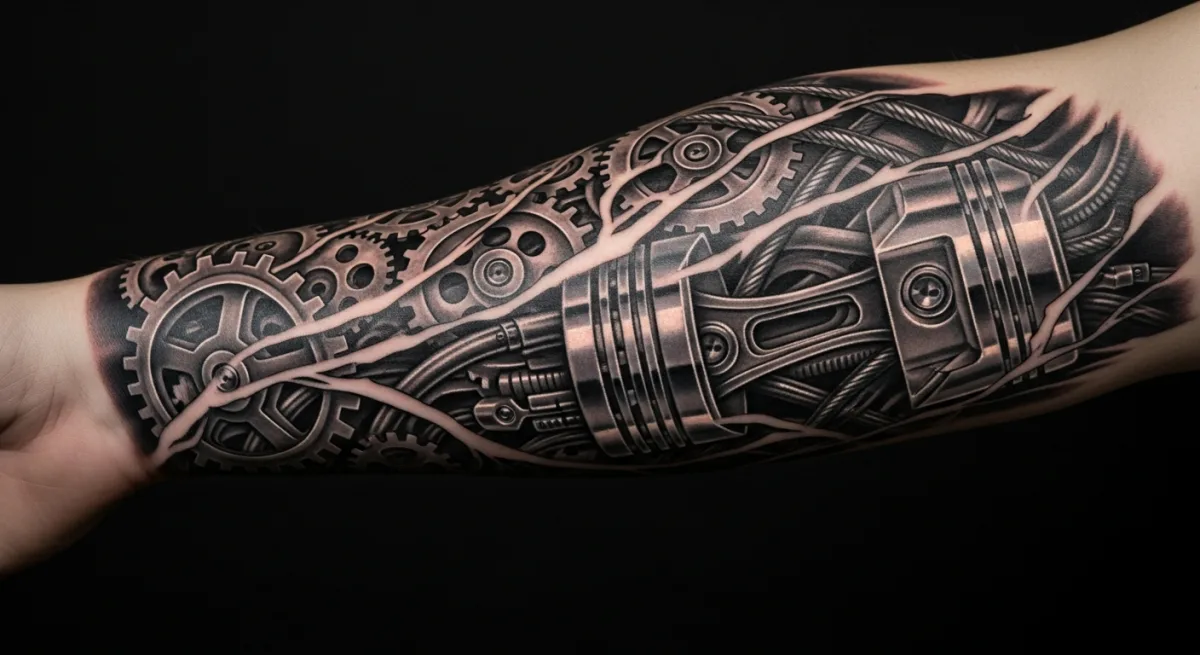
Biomechanical tattooing fuses flesh and machine. Born in the 1980s under the influence of H.R. Giger — the Swiss designer behind Alien — it stages gears, pistons, cables and metal structures that seem to emerge from beneath the skin. It is one of the most technical styles in tattooing: it demands mastery of black-and-grey, depth effects and anatomical perspective. A successful piece creates the illusion that you could lift a flap of skin and discover the inner mechanism. AI animation naturally reveals its kinetic component: these pieces are built to move.
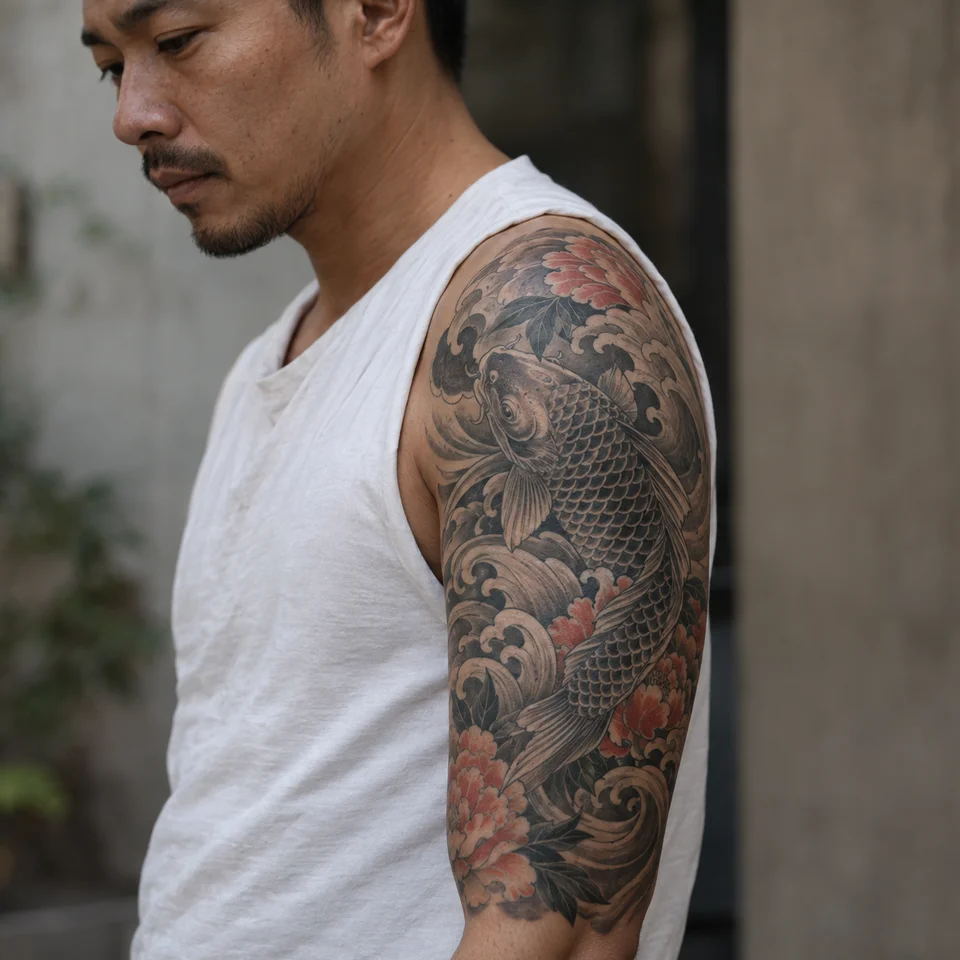
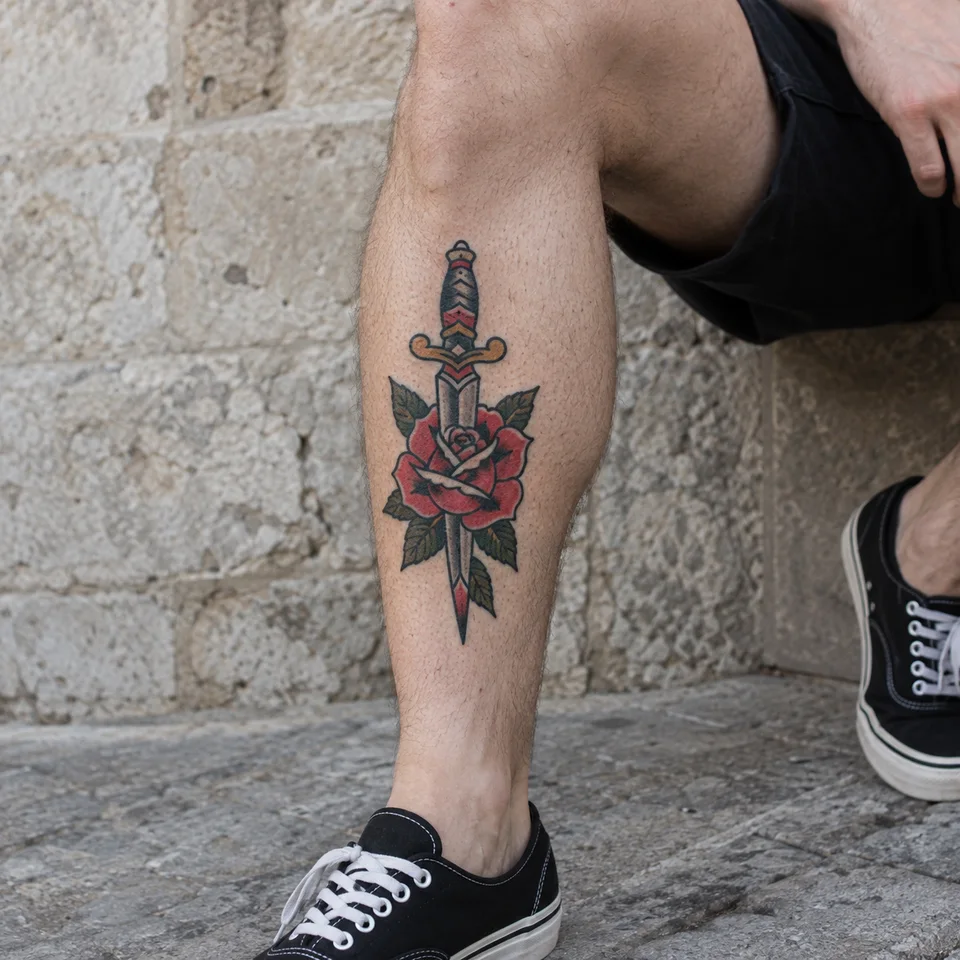
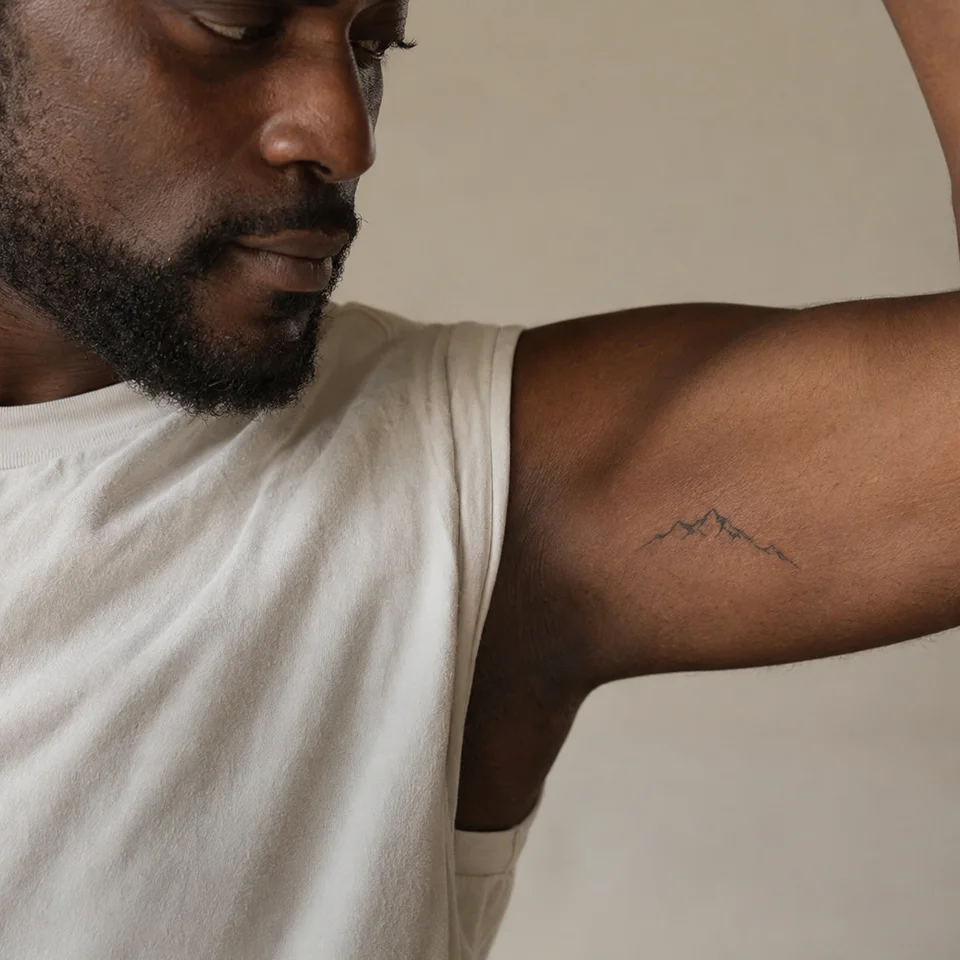
Examples of AI-generated animations
Demo animations generated with our tool — across all styles, to visualize the kind of motion that's possible.
Style characteristics
- Illusion of depth under the skin, like a panel opened on inner machinery
- Heavy black-and-grey work, sometimes accented with metallic touches
- Recurring motifs: gears, pistons, hydraulic rams, cables, riveted plates
- Distorted anatomy: muscles turned into cables, bones into frames
- Strong perspective and volume, dramatic lighting
- Often large scale: full forearm, calf, back
Tips for animating this style
- Gears spin in loops: the most natural animation for the style
- Animate pistons in synchronized back-and-forth with a mechanical rhythm
- Cables can faintly vibrate to simulate electrical tension
- Do not animate everything at once: pick 2 or 3 active zones
- A subtle animated metallic glint reinforces the trompe-l'œil effect
Frequently asked questions
Why does biomechanical require such a specialized artist?
Because it combines skills rarely held together: realistic black-and-grey mastery, industrial mechanical understanding, and a sense of distorted anatomy. A failed biomech just looks like gears drawn on skin. A successful one looks like a flap of flesh opened. The learning curve is long: most dedicated artists have been doing it for ten years or more.
Does this style work in color?
Yes, and it is even a fast-growing variant since the 2010s, often called organic biomech. It introduces acid greens, vivid reds and electric blues to suggest fluids or circuits. The result feels more science-fiction than the original black-and-grey version. The choice mostly depends on placement and any neighboring piece.
Which body zones suit biomechanical best?
Areas with pronounced musculature: forearm, calf, pec, back. The piece interacts with muscle relief to reinforce the illusion of depth. Conversely, flat or cartilaginous zones (ribs, sternum, shoulder blade) are less suitable because they break the anatomical coherence of the trompe-l'œil.
Go further
- All tattoo styles: the complete visual guide — see where this style sits among the major families.
- The guide to AI tattoo animation — understand the technology behind these animations.
Ready to animate your own Biomechanical tattoo?
Try it with no account (3 variations), then get 1 free generation of 3 images when you sign up, no credit card required.
Create my animation →