Animated Black and Grey tattoo with AI
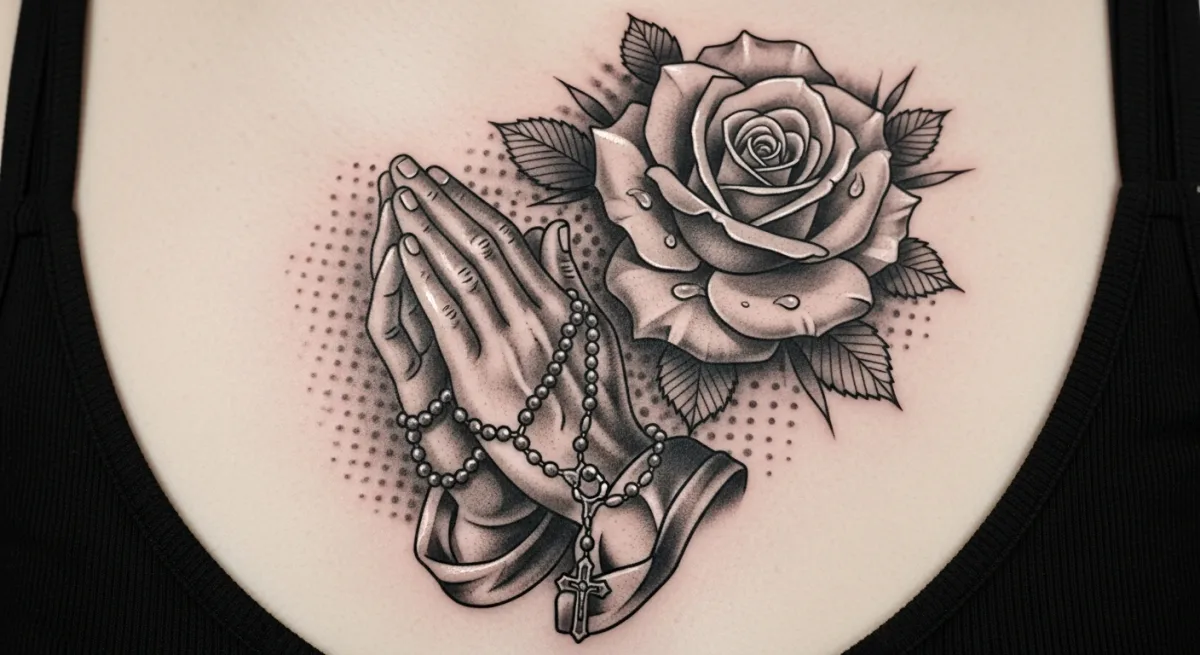
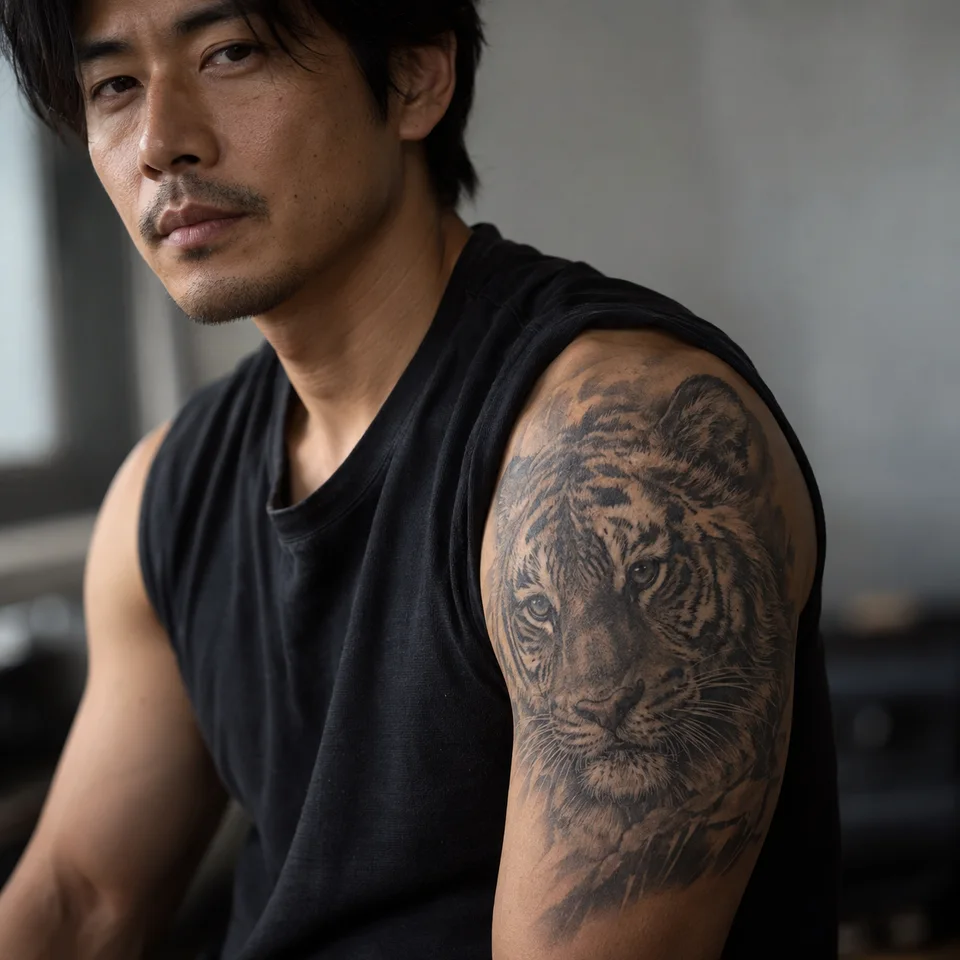
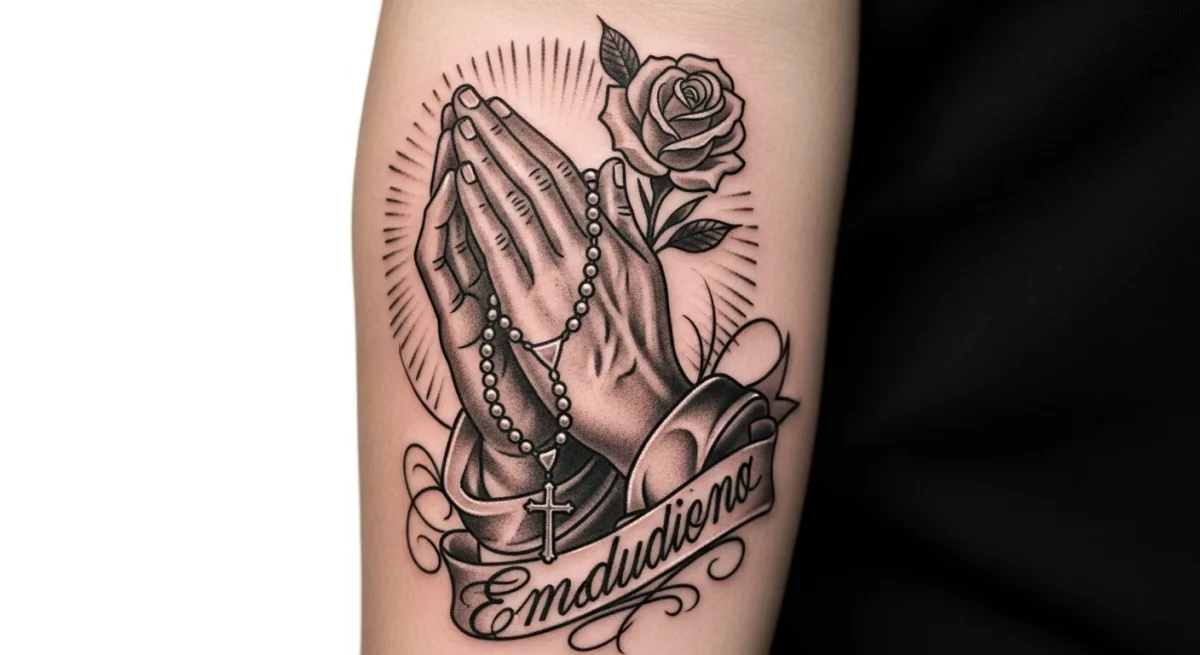
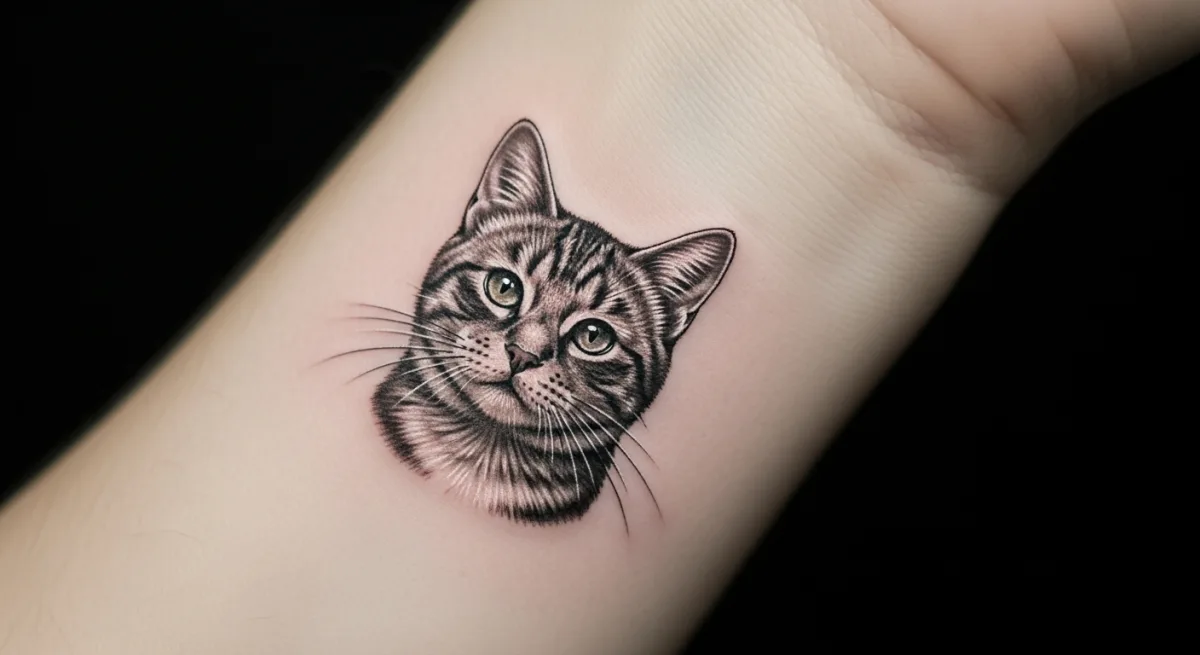
Black and grey was born in California prisons in the 1970s, where inmates diluted black ink with water to achieve an infinite grey palette. From that raw context emerged a whole school, popularized by Jack Rudy and Freddy Negrete, which laid the foundation for contemporary realism. Today, black and grey means hyper-detailed portraits, religious scenes, memorials and complex narrative pieces. Animated by AI, the style reveals its full depth: the shadows almost animate themselves, creating an illusion of relief that color could never deliver.
Examples of AI-generated animations
Demo animations generated with our tool — across all styles, to visualize the kind of motion that's possible.
Style characteristics
- Palette made exclusively of black, grey and white
- Smooth gradients obtained through ink dilution or fine needles
- Excellence in shadow work, the foundation of the style
- Recurring motifs: portraits, praying hands, roses, memorials
- Cinematic reading thanks to bold contrasts
- Remarkable aging, superior to color pieces
Tips for animating this style
- Play on the breathing of shadows rather than on subject displacement
- A portrait can blink or slightly move its mouth: that is enough
- Light variations work especially well: shadow sliding, halo pulsing
- Avoid adding color in post-production: it betrays the essence of the style
- Favor long, slow loops that let the eye admire each gradient
Frequently asked questions
Why does black and grey age better than color?
Because black pigment is chemically the most stable and least sensitive to UV. Greys are obtained by diluting that same black, so they age proportionally. A well-executed black and grey stays readable and contrasted thirty years later, while a color tattoo loses 30 to 50% of its intensity over the same period.
Do you need sun or fair skin for a successful black and grey?
Not at all, that is a myth. Black and grey works on every skin tone because it plays on relative contrast, not on color. On darker skin, the artist simply adjusts the black density and works more with whites. Successful portraits exist across the full range of skin types.
How long does a large black and grey piece take?
A realistic half-sleeve portrait usually takes between 8 and 15 hours of sitting, across two to three sessions. A full narrative back piece can reach 60 to 100 hours. Black and grey is faster to execute than equivalent color, but requires more precision in the gradients.
Go further
- All tattoo styles: the complete visual guide — see where this style sits among the major families.
- The guide to AI tattoo animation — understand the technology behind these animations.
Ready to animate your own Black and Grey tattoo?
Try it with no account (3 variations), then get 1 free generation of 3 images when you sign up, no credit card required.
Create my animation →