Animated Blackwork tattoo with AI
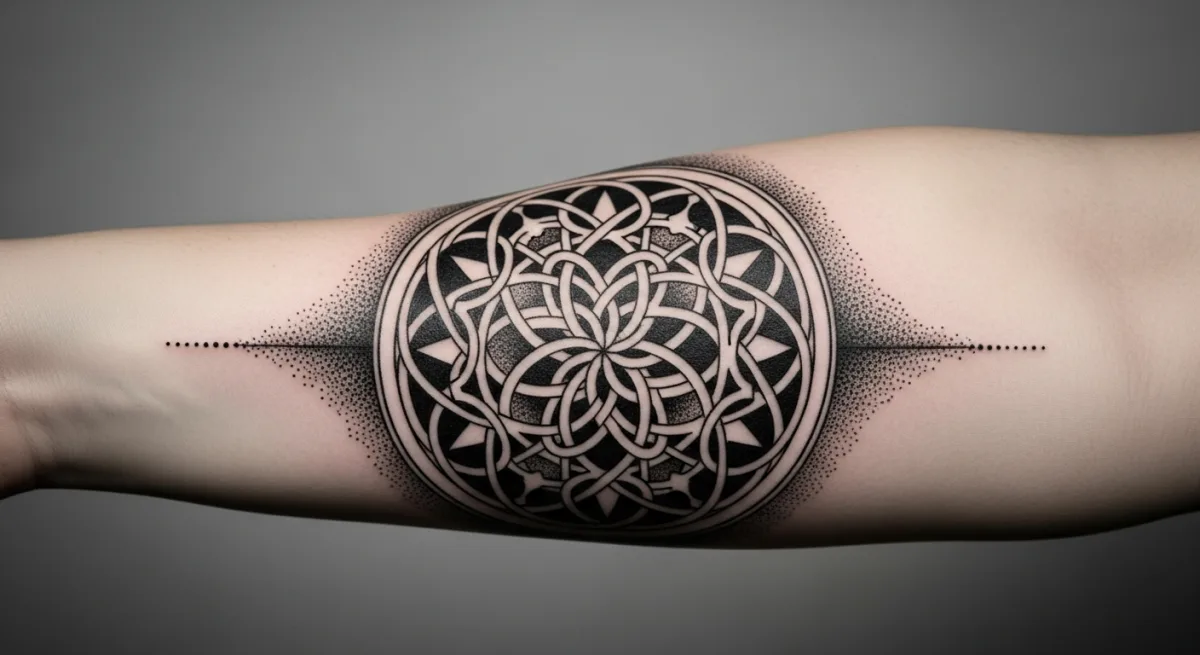
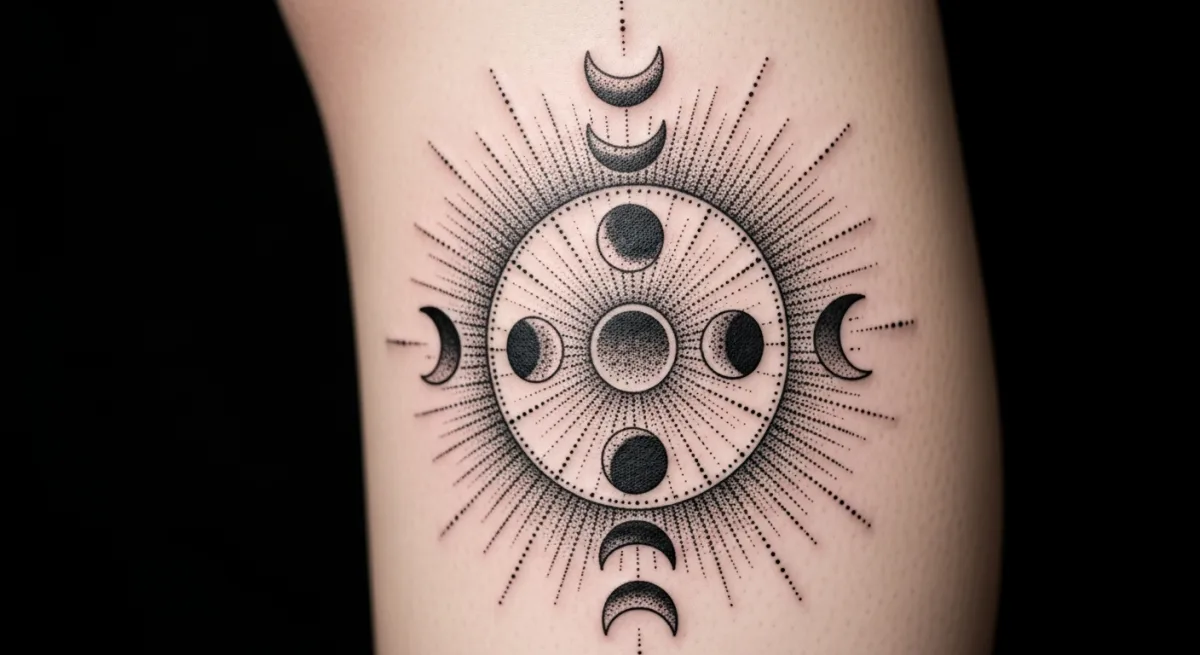
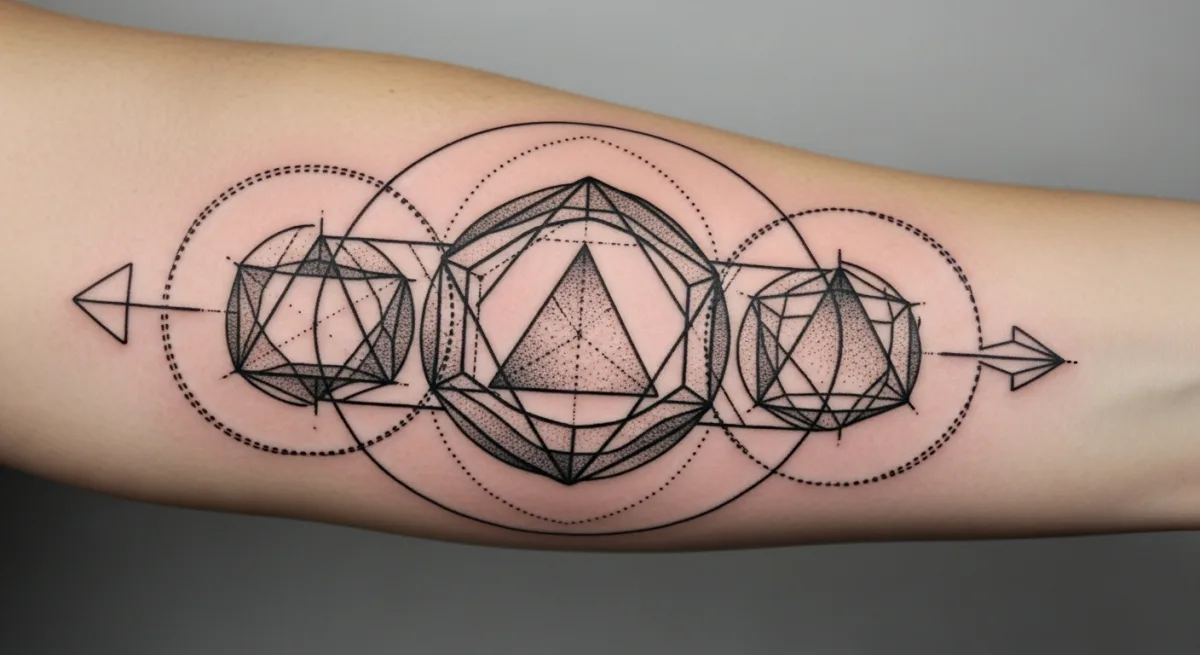
Blackwork is tattooing pushed to its extreme: pure black ink, massive solid fills, binary contrasts. Heir to both ancestral tribal tattooing and European woodcut engraving, it took hold in the 2010s through artists like Valerio Cancellier and Esther Garcia, who extended black coverage across full arms and legs. It is a brutal, architectural style that converses with the skin rather than merely decorating it. Animated by AI, blackwork plays on chiaroscuro: the black areas absorb light while the bare zones become the actual moving subjects.
Examples of AI-generated animations
Demo animations generated with our tool — across all styles, to visualize the kind of motion that's possible.
Style characteristics
- Exclusive use of black ink, no grey or color
- Massive, opaque solid fills over large surfaces
- Strong binary contrasts: saturated black vs bare skin
- Multiple influences: tribal, engraving, sacred geometry, ornamental
- Often architectural composition, structured by bands or solid shapes
- Powerful visual reading even from several meters away
Tips for animating this style
- Play on the gradual appearance of black, like ink spreading across the skin
- Negative zones (bare skin) can vibrate or contract without touching the black
- Avoid blur effects: blackwork demands sharp edges to keep its impact
- A slow-pulse animation works better than directional motion
- On a dark background, accentuate edges so the motif does not get lost
Frequently asked questions
Is blackwork painful to get tattooed?
More than average, yes. Large black fills require repeated needle passes over the same areas to saturate the pigment, which irritates the skin more than a thin line. Specialized artists break sessions into 3 to 4 hour blocks and use magnum 13 or larger needles for efficiency.
Is blackwork the same as tribal?
No, but they share a root. Tribal refers to specific identity motifs (Polynesian, Maori, Native American) with a codified cultural grammar. Blackwork is a contemporary aesthetic movement that may borrow from tribal but also from engraving, calligraphy, or pure geometry, without claiming any cultural belonging.
How do you cover an old tattoo with blackwork?
This is actually one of the style's major use cases. Blackwork can cover almost any existing tattoo thanks to the density of its pigment. Plan for 2 or 3 cover-up sessions and choose a geometric or ornamental motif that integrates the old design without trying to follow it. The white zones of the new design will carefully avoid the visible old outlines.
Go further
- All tattoo styles: the complete visual guide — see where this style sits among the major families.
- The guide to AI tattoo animation — understand the technology behind these animations.
Ready to animate your own Blackwork tattoo?
Try it with no account (3 variations), then get 1 free generation of 3 images when you sign up, no credit card required.
Create my animation →