Animated Botanical tattoo with AI
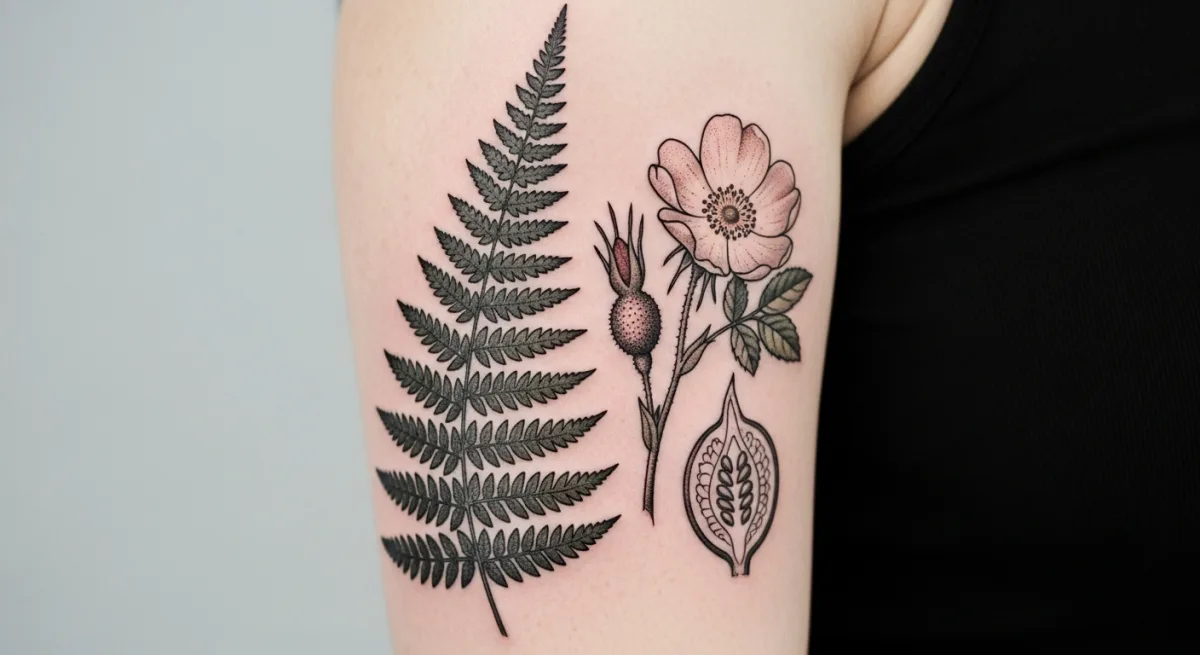
Botanical tattooing draws directly from the scientific herbarium plates of the 18th and 19th centuries. Far from the simple decorative bouquet, it aims for nearly naturalistic precision: leaf veins, stamens, roots, cross-sectioned fruits. Every species is identifiable, often labeled in Latin or paired with handwritten notes. It is a discreet but technically demanding style, halfway between scientific illustration and fine line. It appeals to clients drawn to nature, pedagogy, or a certain intellectual refinement. Animated by AI, the botanical tattoo breathes: petals opening, leaves trembling, sap circulating.
Examples of AI-generated animations
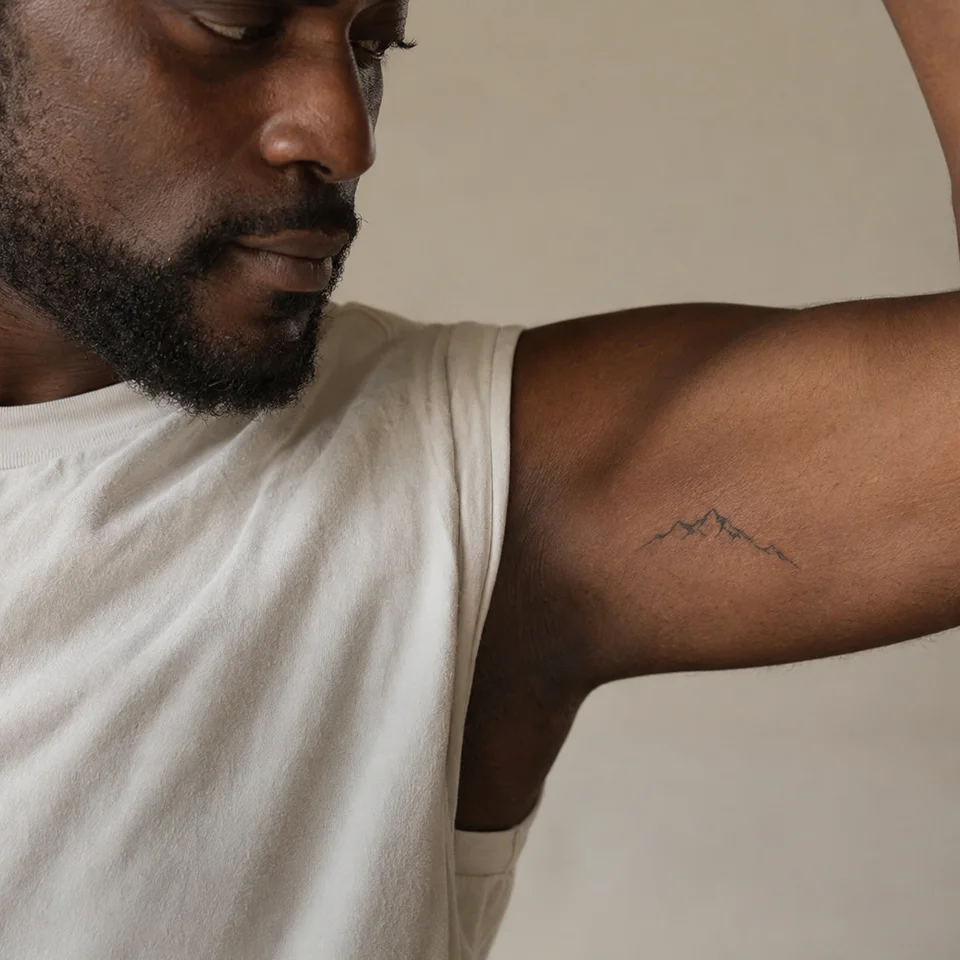
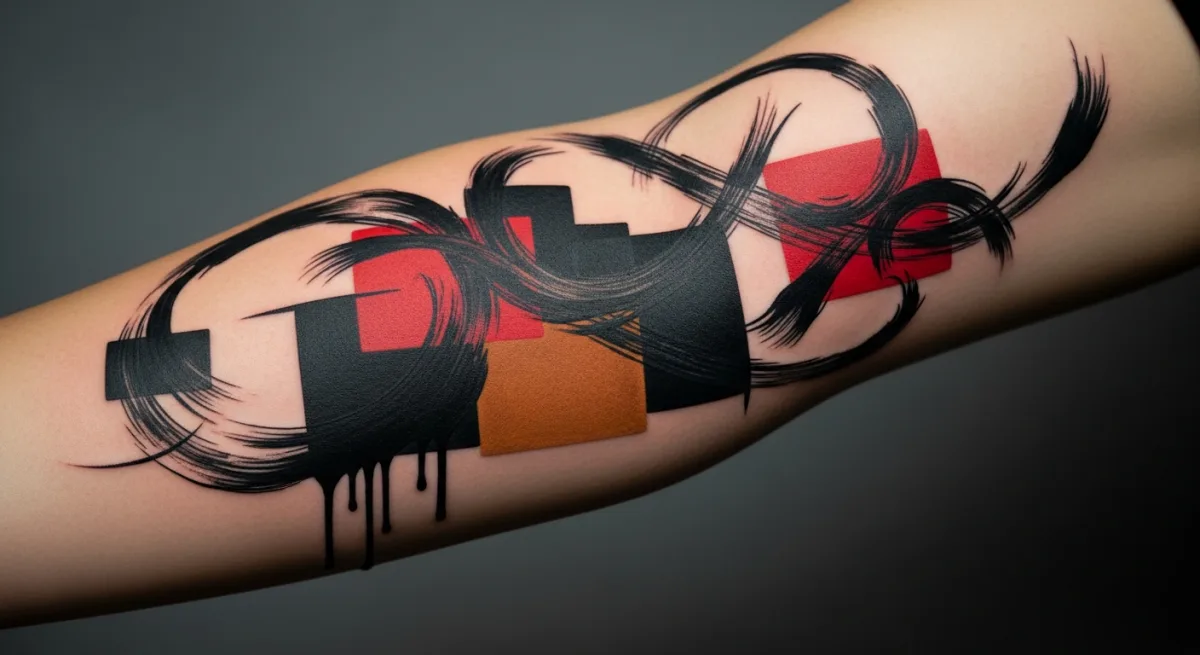
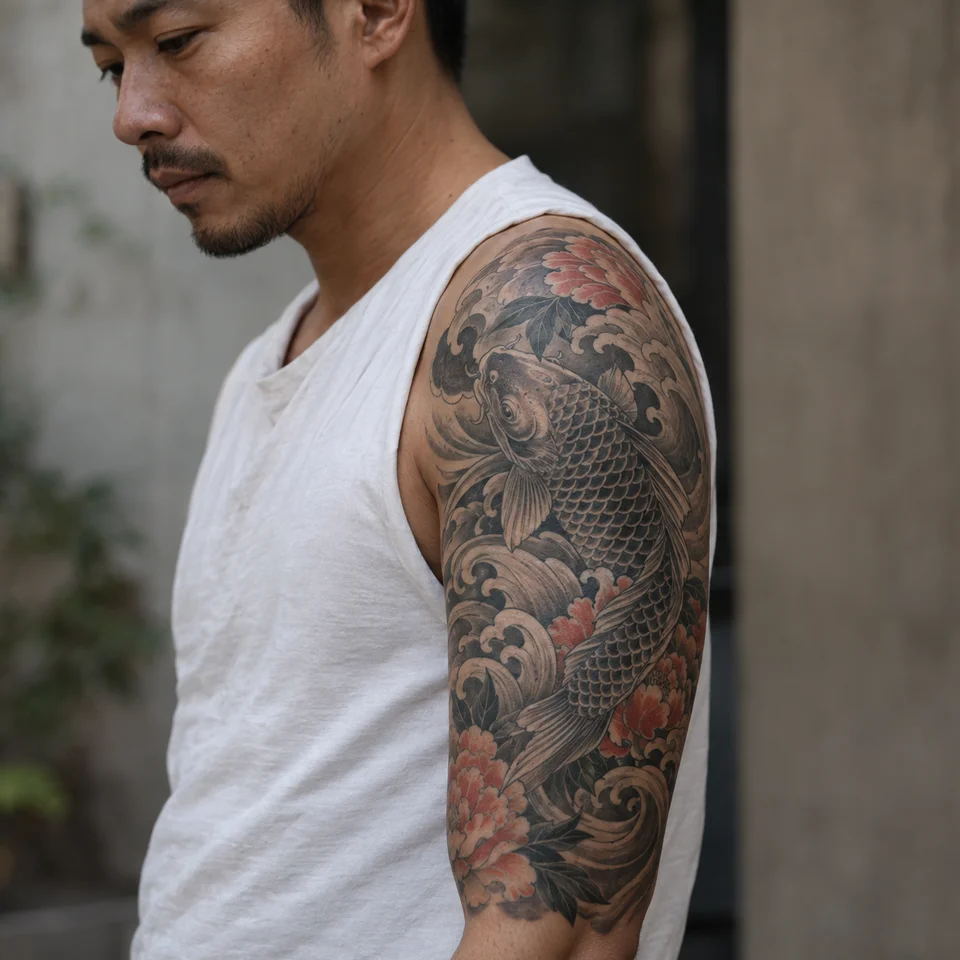
Demo animations generated with our tool — across all styles, to visualize the kind of motion that's possible.
Style characteristics
- Naturalistic precision: veins, stamens, roots faithful to actual botany
- Mostly fine linework, sometimes enhanced with engraving-style hatching
- Plate composition: centered subject, optional caption
- Palette usually black, sometimes tone-on-tone green or sepia
- Free scale, from a 5 cm micro to a full forearm composition
- Scientific vocabulary: Latin name, organ label, cross-section diagram
Tips for animating this style
- A flower opening is the most iconic animation of the style
- For a leaf, favor a tremble like a soft breeze passing through
- Cross-sectioned fruit can show its sap subtly circulating
- Avoid full rotations: they clash with the herbarium spirit
- An ivory or kraft background reinforces the scientific-plate illusion
Frequently asked questions
What is the difference between botanical and classic floral tattoos?
Classic floral tattoos chase decorative impact: the flower is pretty, regardless of species. Botanical work identifies the species precisely and draws it with its real characteristics, as in a botany book. That changes everything: a botanical sunflower will show visible achenes in the center, while a decorative one settles for a filled disk.
Which species animate best in botanical style?
Species whose life cycle is visually spectacular: poppy, rose, wisteria, unfurling fern, dandelion seeds flying off, mimosa pudica closing on touch. Static plants like cacti or succulents animate less naturally, unless you animate the brief flowering moment.
Do I need to add the Latin name to stay in the style?
It is not required, but it is one of the style's strong markers. Adding Papaver rhoeas under a poppy clearly anchors the piece in the herbarium tradition. If Latin feels too academic, a simple handwritten note like a location and harvest year works just as well.
Go further
- All tattoo styles: the complete visual guide — see where this style sits among the major families.
- The guide to AI tattoo animation — understand the technology behind these animations.
Ready to animate your own Botanical tattoo?
Try it with no account (3 variations), then get 1 free generation of 3 images when you sign up, no credit card required.
Create my animation →