Animated Chicano tattoo with AI
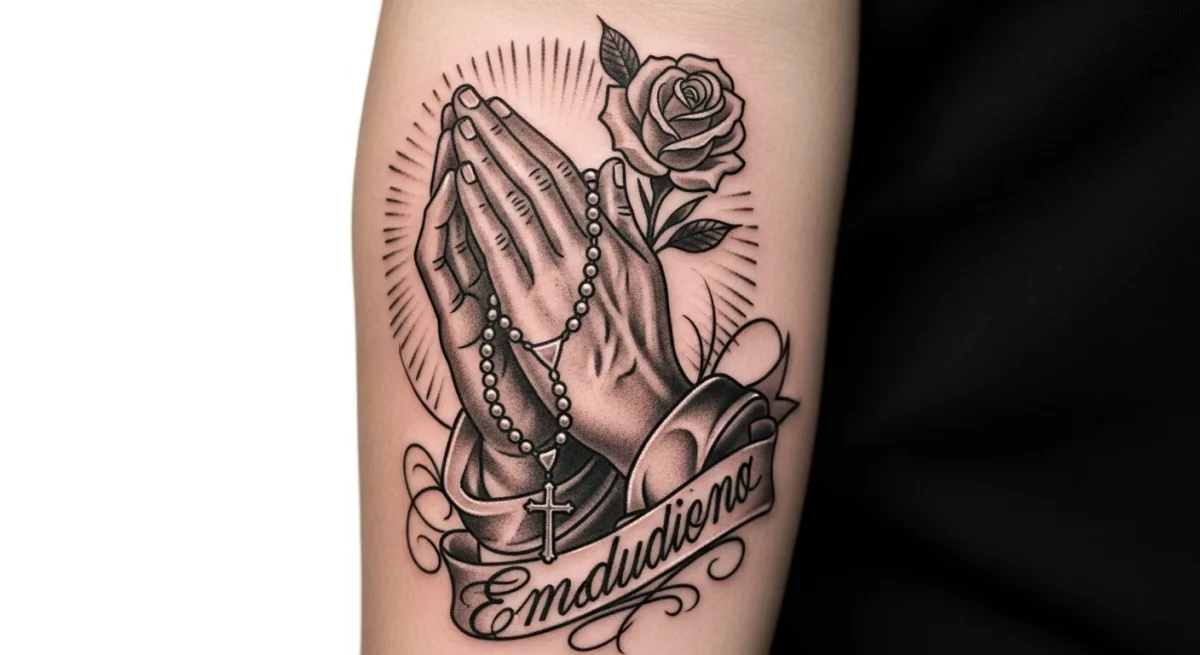
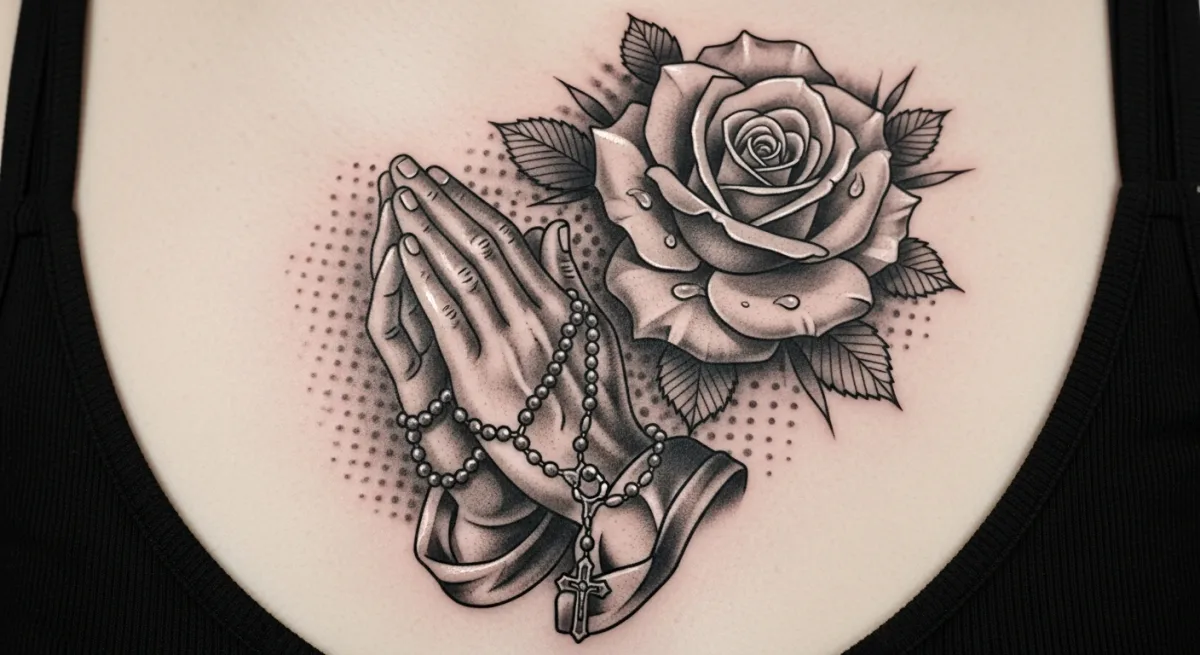
Born in the barrios of Los Angeles in the 1940s, Chicano is a narrative black-and-grey style deeply rooted in Mexican-American culture. Calaveras, Virgins of Guadalupe, lowriders, gothic scripts and heavy-petalled roses compose an iconography of pride, spirituality and memory. Originally traced with sewing-machine needles in California prisons, Chicano is recognised by its ultra-fine gradients, smoky greys and suggested rather than photographic realism. Animated with AI, the style gains a near-cinematic dimension worthy of film noir.
Examples of AI-generated animations
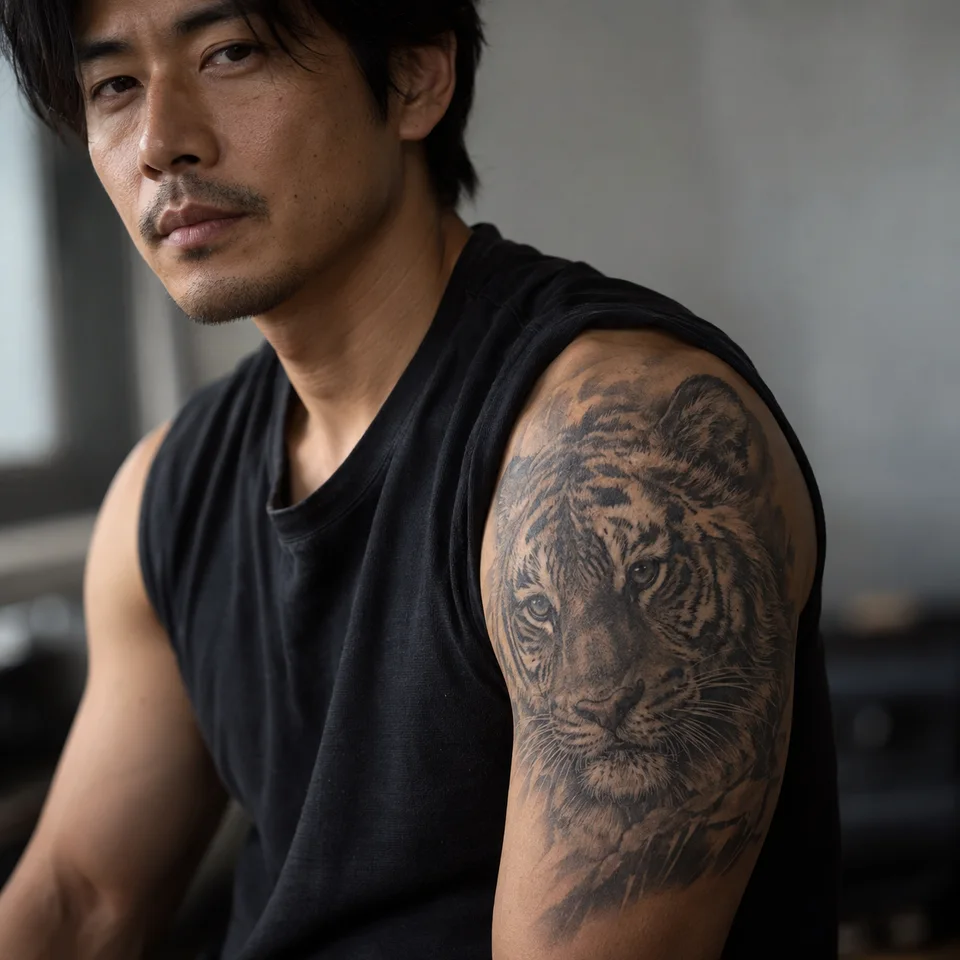
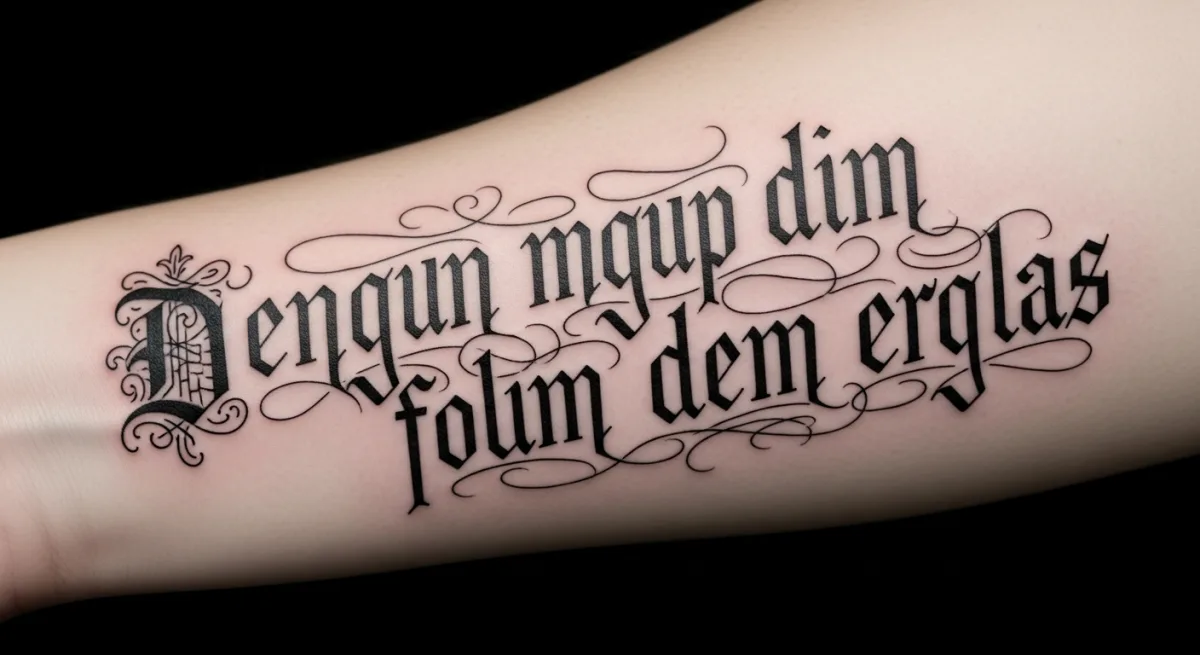
Demo animations generated with our tool — across all styles, to visualize the kind of motion that's possible.
Style characteristics
- Strictly black-and-grey palette, no color
- Extremely progressive gradients, almost photographic
- Chicano iconography: calavera, Guadalupe, lowrider, payaso
- Strong presence of gothic or cursive lettering (Old English)
- Narrative compositions mixing portrait, scene and symbol
- High contrast between very dark zones and bare skin
Tips for animating this style
- Favor slow, emotion-laden motion — never frenetic
- An eye opening or closing reads stronger than any body movement
- A tear sliding down a calavera face is a highly effective classic
- Smoke clouds behind the motif add cinematic depth
- Preserve the grey gradients: too much contrast betrays the style's spirit
Frequently asked questions
Why is Chicano always in black and grey?
It is a direct legacy of its prison origins. In California prisons in the 1940s-60s, only black ink was available, usually extracted from ash or pen ink. Tattooers developed a mastery of diluted greys that became a stylistic signature. Today, even outside prison, Chicano artists honor this code out of loyalty to the style's history.
Is Chicano appropriate if I'm not of Mexican heritage?
It is a delicate question. Purely aesthetic motifs (rose, generic calavera, lettering) are widely accepted. However, Mexican religious symbols (Virgin of Guadalupe, Sacred Heart) or references to specific barrios may be perceived as appropriation. The best approach: have an in-depth conversation with a Chicano specialist before choosing your motifs.
Which Chicano artists should I know for inspiration?
Freddy Negrete, Jack Rudy and Charlie Cartwright are the founding fathers of the studio style. Mister Cartoon popularised the Chicano aesthetic in Hollywood. Contemporary names like Chuey Quintanar and Big Sleeps continue the tradition. Studying their portfolios before generating an AI animation guarantees a rendering true to the style's spirit.
Go further
- All tattoo styles: the complete visual guide — see where this style sits among the major families.
- The guide to AI tattoo animation — understand the technology behind these animations.
Ready to animate your own Chicano tattoo?
Try it with no account (3 variations), then get 1 free generation of 3 images when you sign up, no credit card required.
Create my animation →