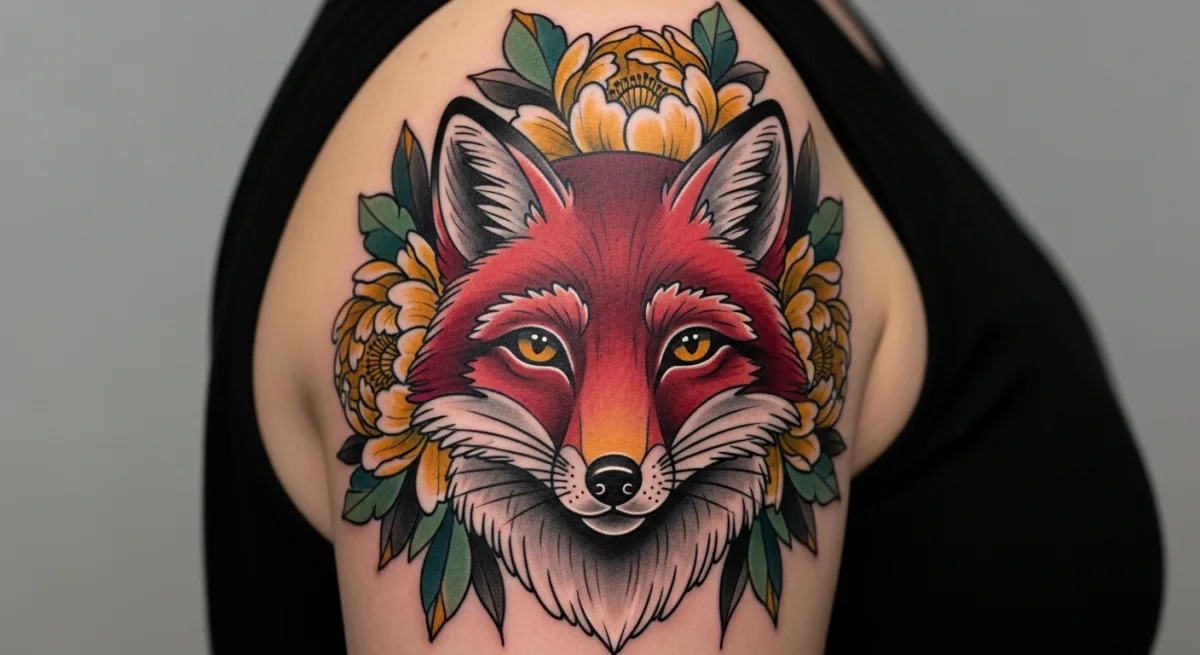
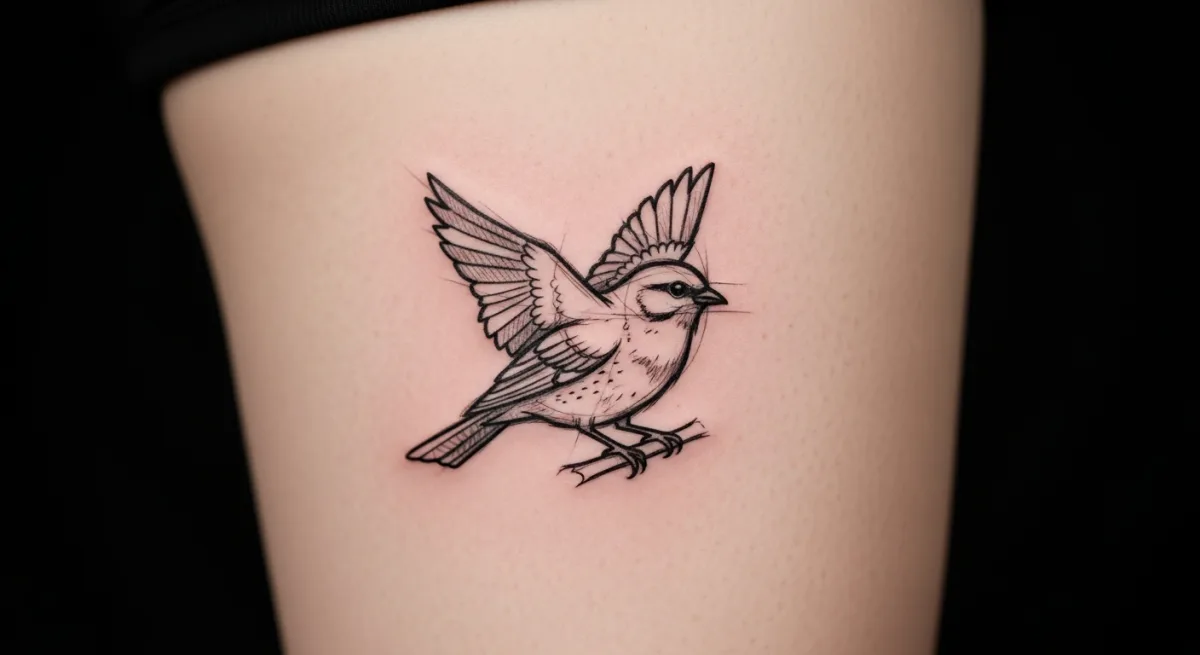
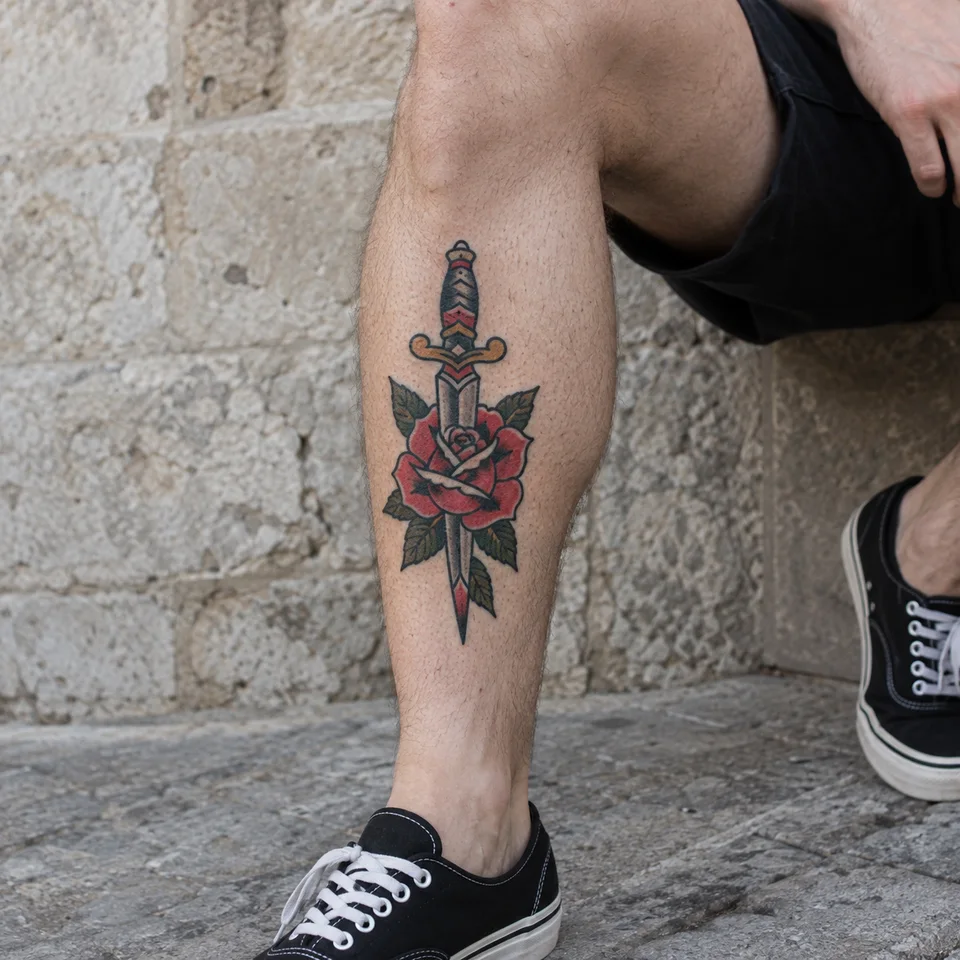
Animated Illustrative tattoo with AI
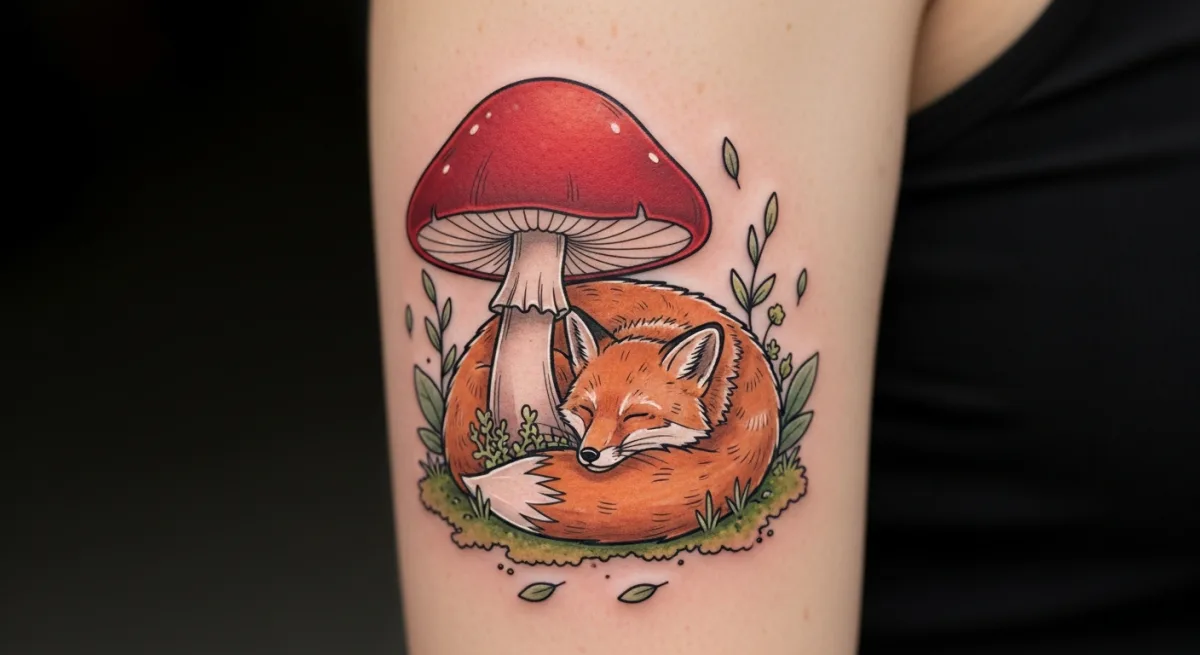
The illustrative style borrows its codes from editorial drawing, engraving, and comics rather than from photography. It is a tattoo that openly embraces its nature as a drawing: outlines remain visible, shading follows a graphic logic instead of true light rendering, and compositions often tell a complete scene. Halfway between realism and neo-traditional, illustrative work gives the artist a narrative freedom that few other styles allow. Animated with AI, it reveals a quiet but evocative life: a character suggesting a gesture, a leaf trembling, a gaze barely shifting.
Examples of AI-generated animations
Demo animations generated with our tool — across all styles, to visualize the kind of motion that's possible.
Style characteristics
- Visible outlines that embrace the drawing aesthetic
- Graphic shading via hatching or stylized flats
- Narrative compositions, often with secondary décor
- Flexible palette: black and grey, limited color, or full color
- Inspirations from comics, engraving, children's illustration, storyboard
- Unapologetic blend of fiction and figuration
Tips for animating this style
- Favor a short narrative motion: a character gesture, a wink, a breath
- Hatching does not animate well when moved: keep it as fixed texture and animate the silhouette
- A full scene benefits from isolating a single moving element while the décor stays still
- The visible outline helps the AI preserve proportions throughout the loop
- Export in 4:5 for Instagram: the format suits vertical illustrative compositions
Frequently asked questions
What's the difference between illustrative and realism?
Realism aims to reproduce visual perception: light, texture, photography. Illustrative work openly embraces the graphic nature of drawing, with its outlines and stylistic conventions. You can recognize the artist's hand, which almost never happens in realism. It is also a more durable style over time, because the outline structures the tattoo even as shading fades.
Does this style suit large formats?
Yes, and it is actually its natural territory. A thigh, a full forearm or an illustrative back lets you develop a real scene with foreground, middle ground and background. AI animation benefits from this depth by animating one zone at a time to preserve readability.
Should I pick color or black and grey for illustrative?
Both work, but the narrative effect changes. Black and grey reinforces the engraving and old-tale feel, while color leans into contemporary comics and children's illustration. For animation, black and grey produces visually steadier loops; color asks the AI to juggle more variables and may produce artifacts if the palette is too crowded.
Go further
- All tattoo styles: the complete visual guide — see where this style sits among the major families.
- The guide to AI tattoo animation — understand the technology behind these animations.
Ready to animate your own Illustrative tattoo?
Try it with no account (3 variations), then get 1 free generation of 3 images when you sign up, no credit card required.
Create my animation →