Animated Mandala tattoo with AI
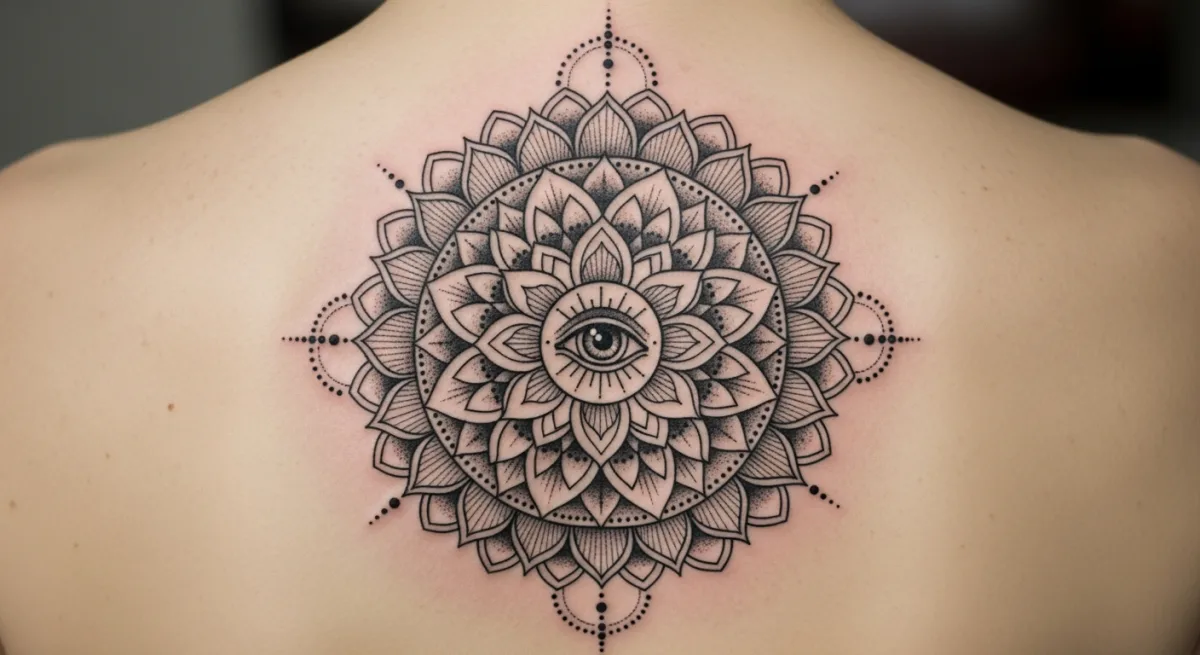
The mandala is a sacred motif from India and Tibet, where it represents the universe in its totality, organized around a central point. In contemporary tattooing it has become one of the most technical styles: perfect symmetry, millimeter-precise geometry, repeated petals, dots, and arcs forming a often dazzling rose pattern. Its beauty comes equally from the precision of the linework and the patience required to produce it. Animated with AI, a mandala reveals its true nature: a figure made to spin, pulse, and radiate from its center like a flower in the act of blooming.
Examples of AI-generated animations
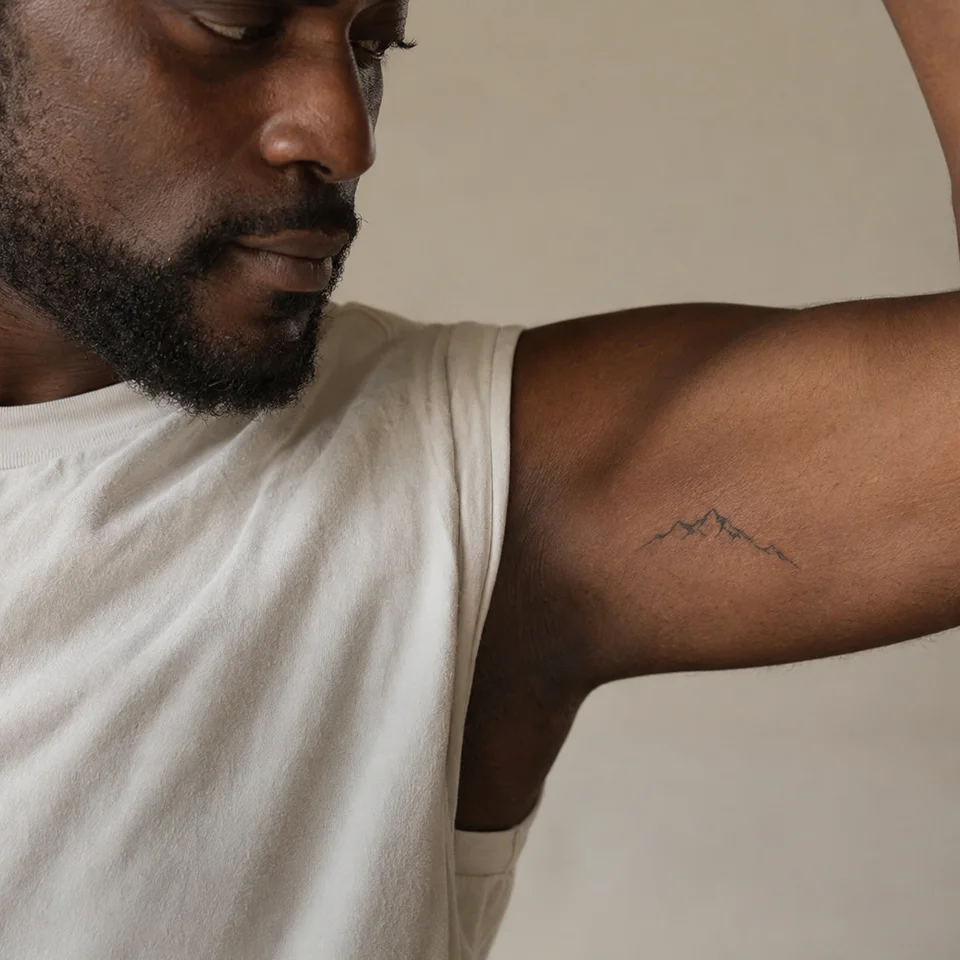
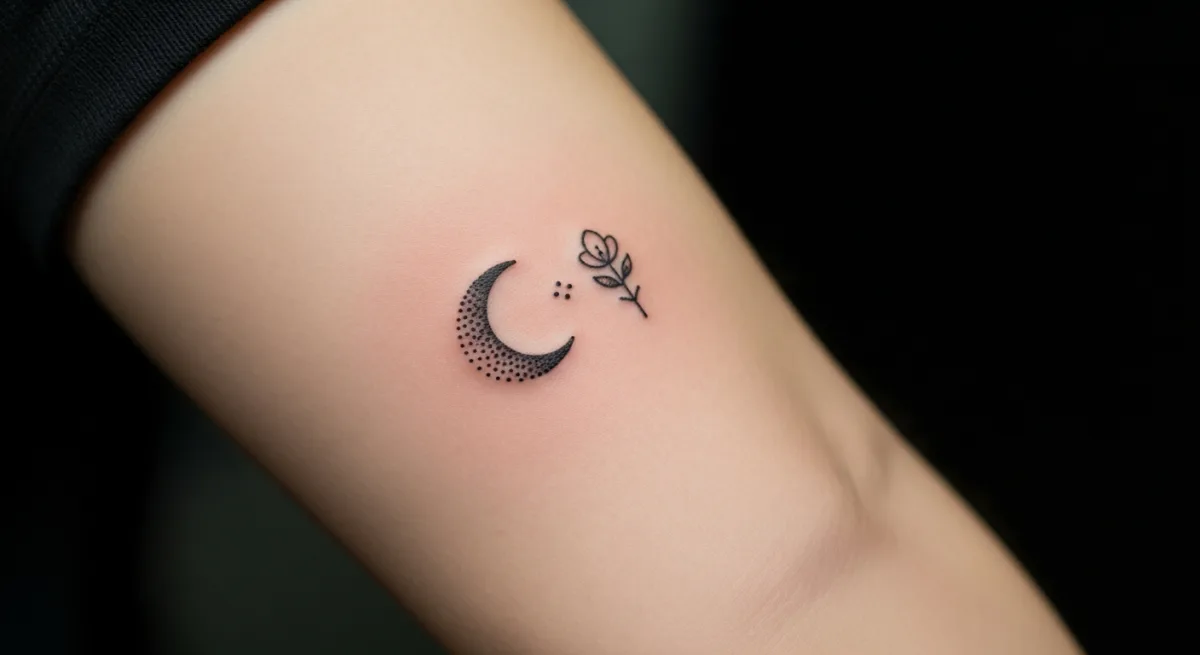
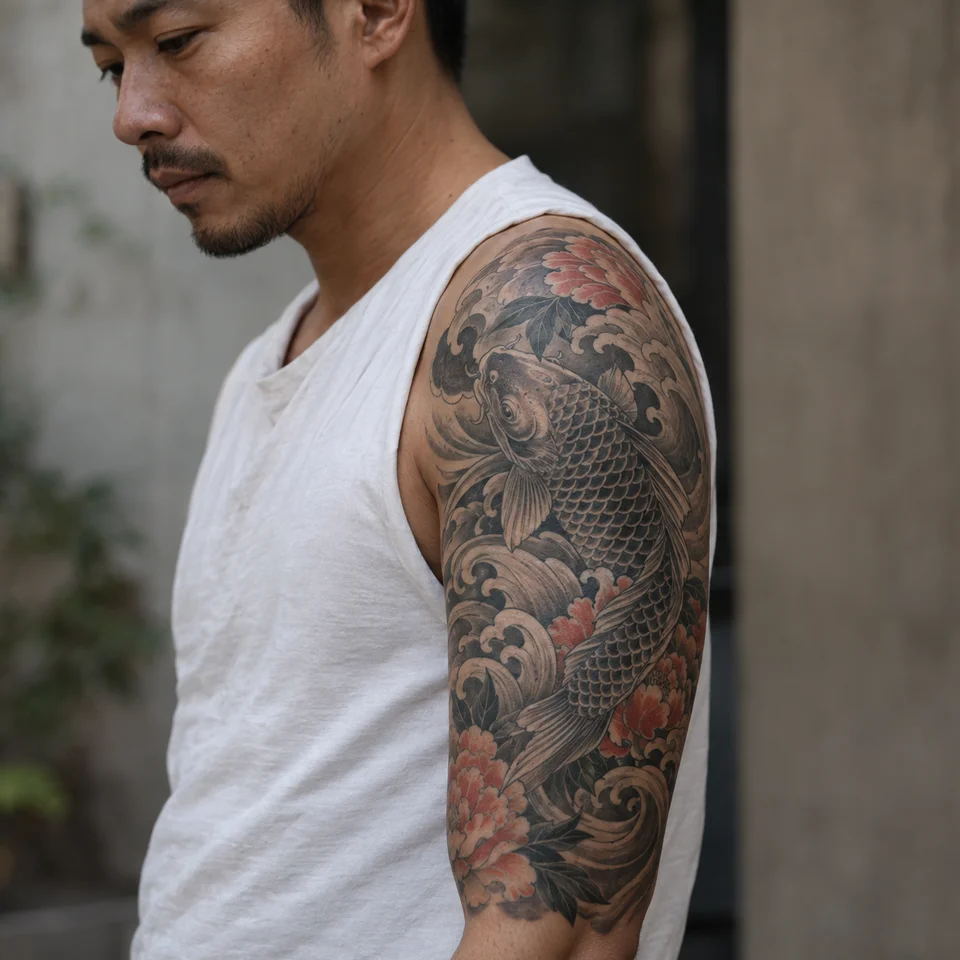
Demo animations generated with our tool — across all styles, to visualize the kind of motion that's possible.
Style characteristics
- Perfect radial symmetry around a central point
- Composition in concentric layers: petals, dotwork, lace, arcs
- Intensive dotwork or linework, little solid fill
- Often monochrome black, sometimes accented with gold or color
- Preferred placement: arm, shoulder, back, thigh, or chest center
- Strong spiritual and meditative symbolism
Tips for animating this style
- Slow rotation around the central point is the mandala's natural motion
- A pulse from the heart outward amplifies the meditative quality
- Avoid lateral distortion: it breaks the symmetry that defines the motif
- A cyclic breathing effect (expansion / contraction) works very well
- For dotwork mandalas, a subtle dot shimmer reinforces depth
Frequently asked questions
Do you need to be Buddhist or Hindu to get a mandala tattoo?
No. The mandala is now a widely universalized figure: while its roots are spiritual, the contemporary tattoo version is primarily aesthetic and symbolic. Many wearers see it as a personal representation of balance, unity, or cycles, without any religious affiliation.
Why does a mandala often cost more than another tattoo the same size?
Because it requires significant tracing time. Radial symmetry demands millimeter precision and a long preparatory stencil phase. A palm-sized mandala can require five to eight hours of work, compared with two or three for an equivalent motif in another style.
Can you combine a mandala with another figure?
Yes — it is even a strong trend in the style. Mandalas often serve as a background or halo behind an animal, a face, a flower, or a symbolic object. The mandala becomes a sacred frame highlighting the main motif, like a stained-glass window behind a central figure.
Go further
- All tattoo styles: the complete visual guide — see where this style sits among the major families.
- The guide to AI tattoo animation — understand the technology behind these animations.
Ready to animate your own Mandala tattoo?
Try it with no account (3 variations), then get 1 free generation of 3 images when you sign up, no credit card required.
Create my animation →