Animated Micro-realism tattoo with AI
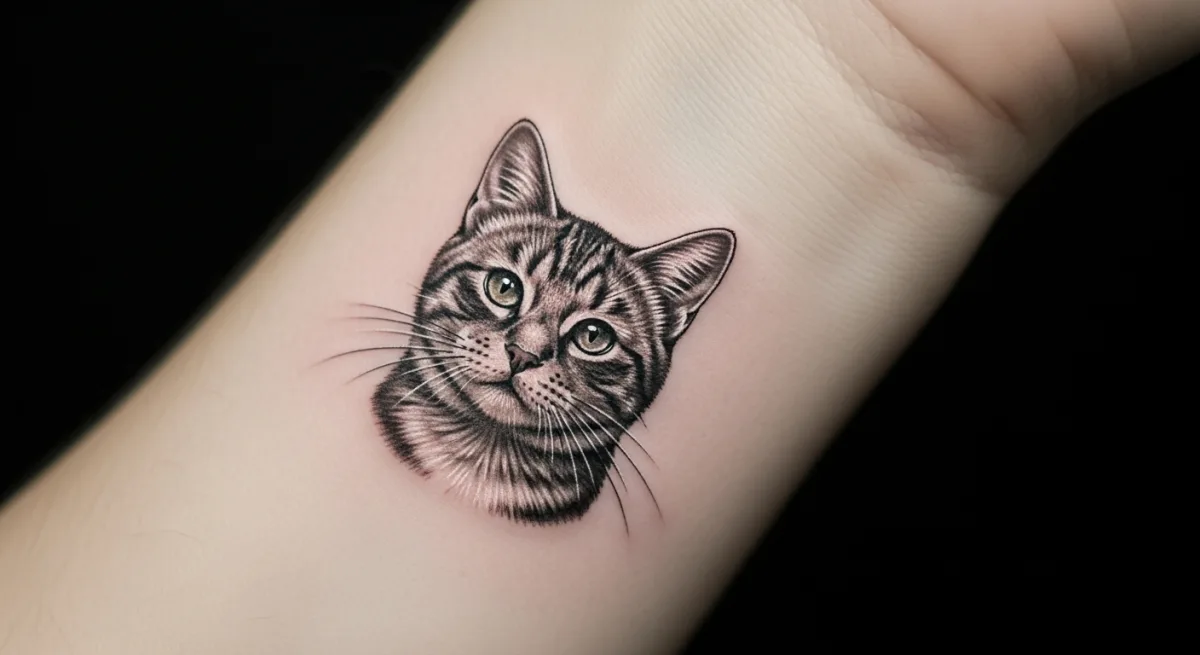
Micro-realism is one of the most technical styles to emerge in the last decade. It consists of reproducing a photorealistic, fully nuanced image at a scale small enough to be covered by a coin. Where classic realism uses surface area to develop its shading, micro-realism must achieve the same rendering in just a few square centimeters. This calls for goldsmith-level craft: thin needles, finely calibrated machines, perfectly steady hands. Animated with AI, the style creates a disconcerting effect: a miniature face blinking, an animal turning its head, a full scene coming to life barely larger than a stamp.
Examples of AI-generated animations
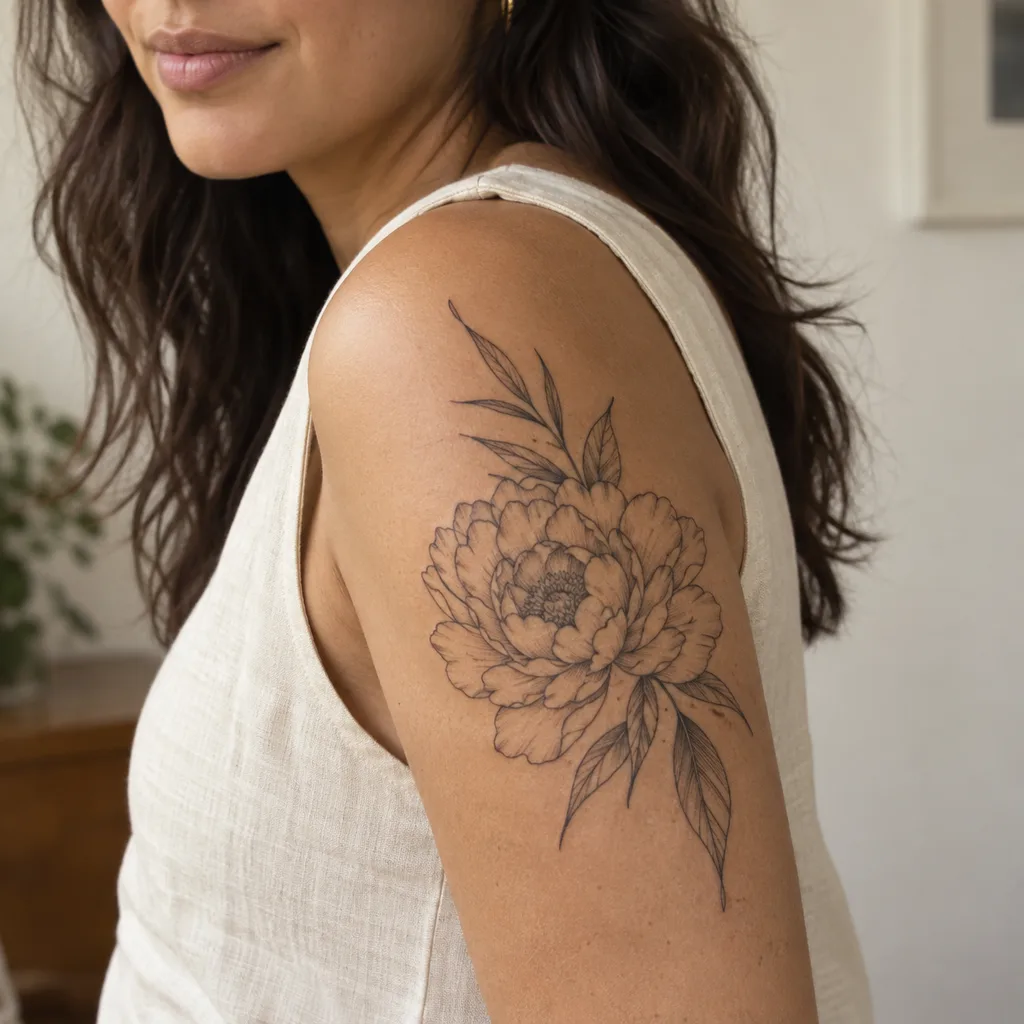
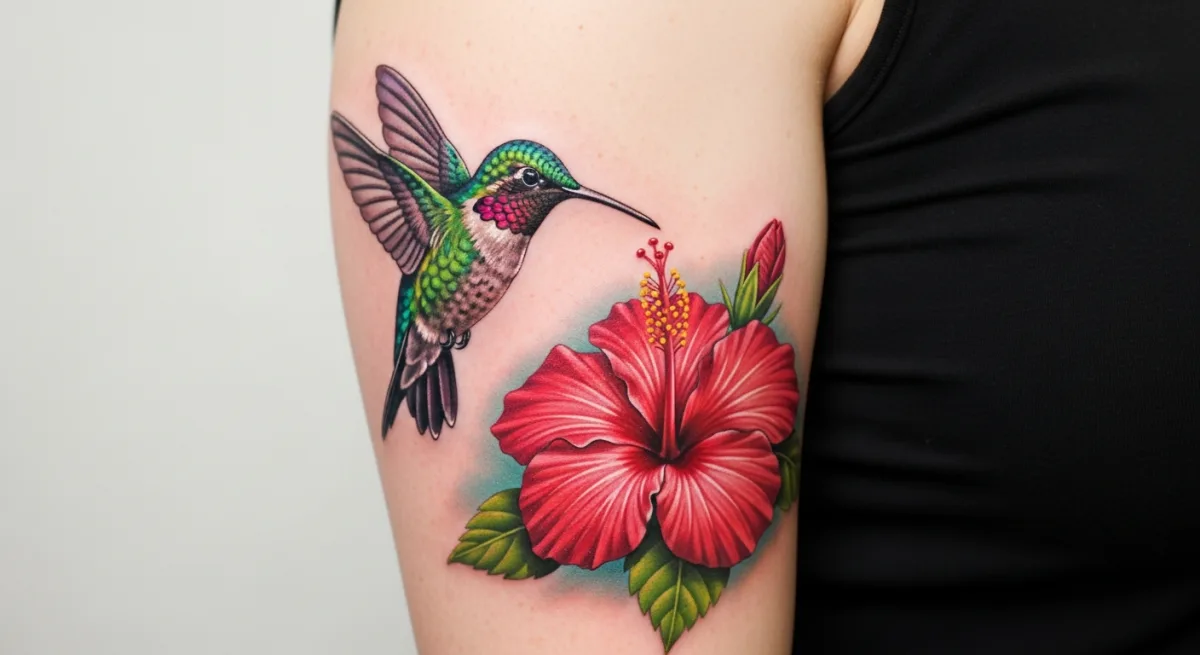
Demo animations generated with our tool — across all styles, to visualize the kind of motion that's possible.
Style characteristics
- Reduced format: typically between 3 and 8 cm at the largest dimension
- Full photorealistic rendering despite the size
- Very fine needles (1RL, 3RL) and specifically calibrated machines
- Often in black and grey to maximize contrast at small scale
- Precise placement: forearm, calf, behind the ear, to preserve detail
- More delicate aging than large-format realism
Tips for animating this style
- At this scale, the AI may produce artifacts: prefer micro-motion (blink, breath) over big gestures
- Film or photograph very close, in soft light, to capture all details before animation
- Avoid harsh zooms that break the coherence of miniature proportions
- A slow rotation of a micro-realistic face is still one of the most impressive effects
- Export in high resolution: compression loss is more visible than in large formats
Frequently asked questions
Does micro-realism hold up over time?
That is its main fragility. At this scale, the slightest ink spread blurs fine detail. Expect to need a touch-up after 5 to 10 years, compared to 15 to 20 years for large-format realism. To maximize longevity, favor an area with low sun exposure (inner arm, calf) and religiously apply SPF 50 to the healed tattoo.
How much does micro-realism cost?
Paradoxically, often more per cm² than large realism. Preparation time, equipment calibration and required focus justify high prices: count between 250 and 600 euros for a 5 cm piece with a reputable artist, versus 1500 to 3000 euros for a 20 cm piece. Per square centimeter, micro is significantly more expensive.
Which subjects work best in animated micro-realism?
Human portraits and animal faces produce the most striking animations because the human eye is exceptionally sensitive to micro-expressions. A gaze coming to life, eyelids blinking, a smile forming: these details create an almost living effect. Full miniature scenes work less well: readability collapses as soon as one element moves.
Go further
- All tattoo styles: the complete visual guide — see where this style sits among the major families.
- The guide to AI tattoo animation — understand the technology behind these animations.
Ready to animate your own Micro-realism tattoo?
Try it with no account (3 variations), then get 1 free generation of 3 images when you sign up, no credit card required.
Create my animation →