Animated Neo-Traditional tattoo with AI
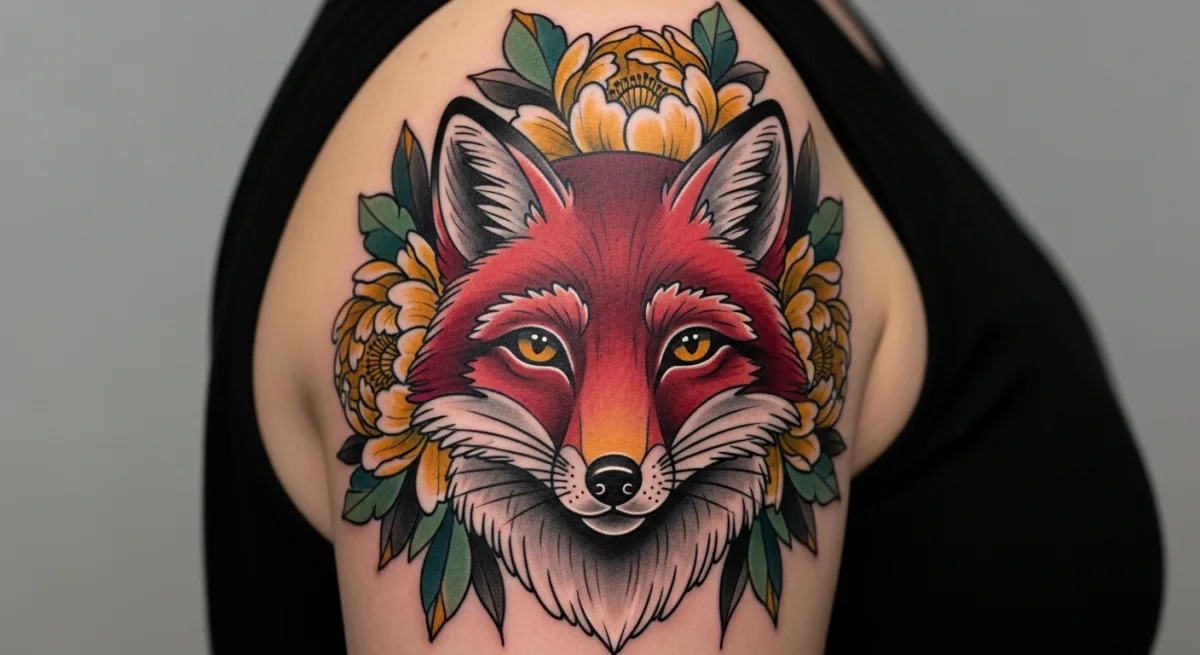
Neo-Traditional is the direct heir of Old School but breaks free from its constraints. The palette expands with dusty pinks, peacock blues, deep ochres. Outlines remain bold but gain thickness variation, and designs are loaded with botanical detail, animals, and sometimes Art Nouveau flourishes. It is a narrative, richly illustrated style that has dominated the European tattoo scene since the mid-2010s, particularly in Italy and the United Kingdom. Animated by AI, it reveals unexpected power: its structured shading and clean colors give motion an almost cinematic depth.
Examples of AI-generated animations
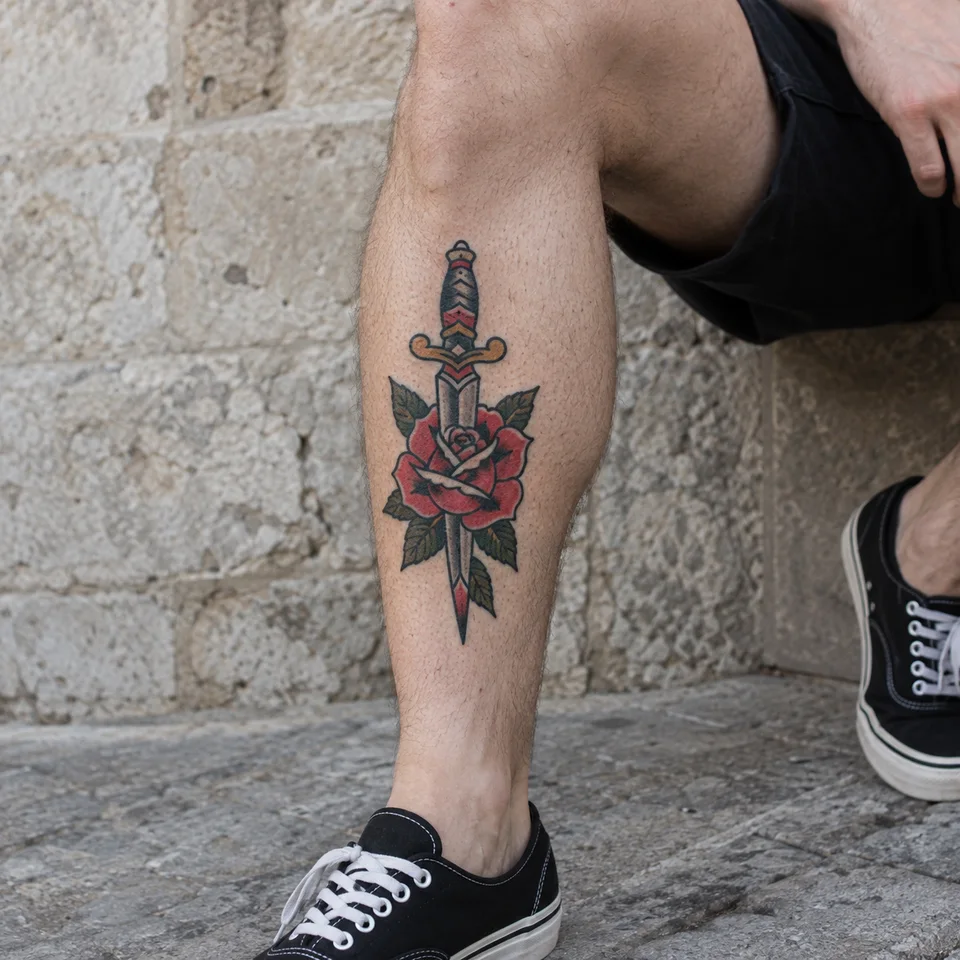
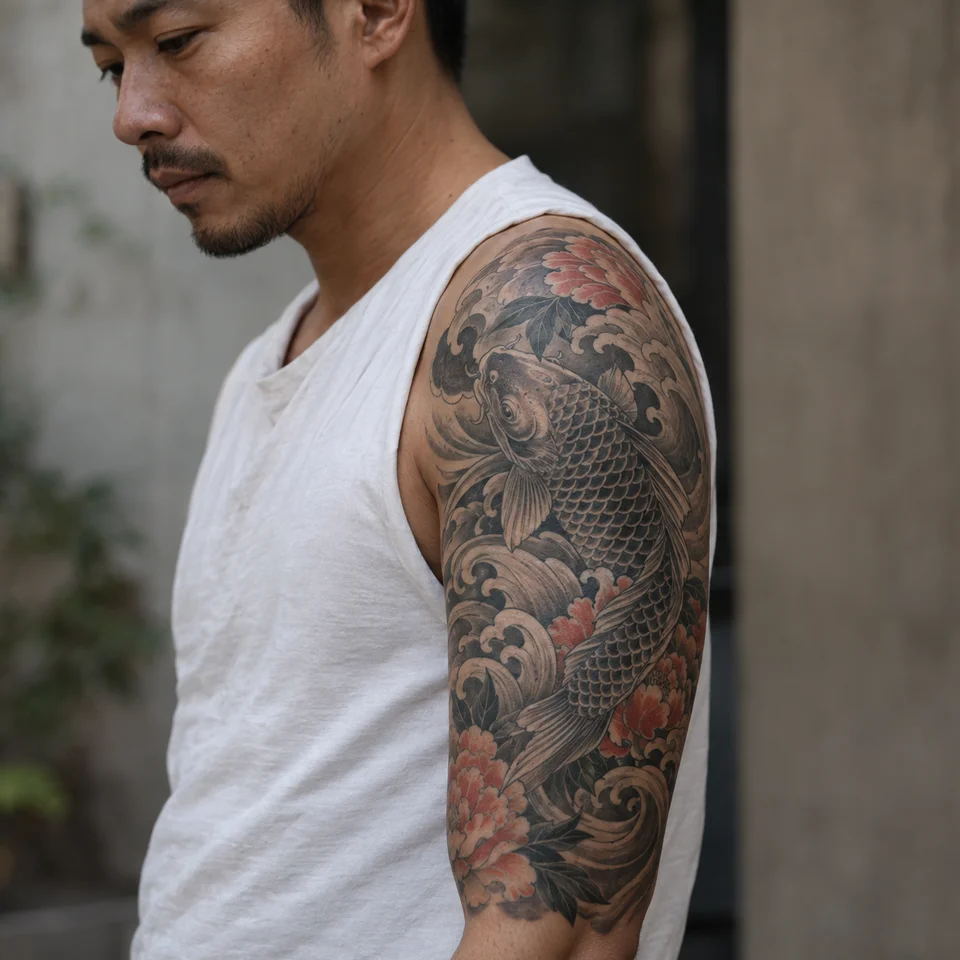
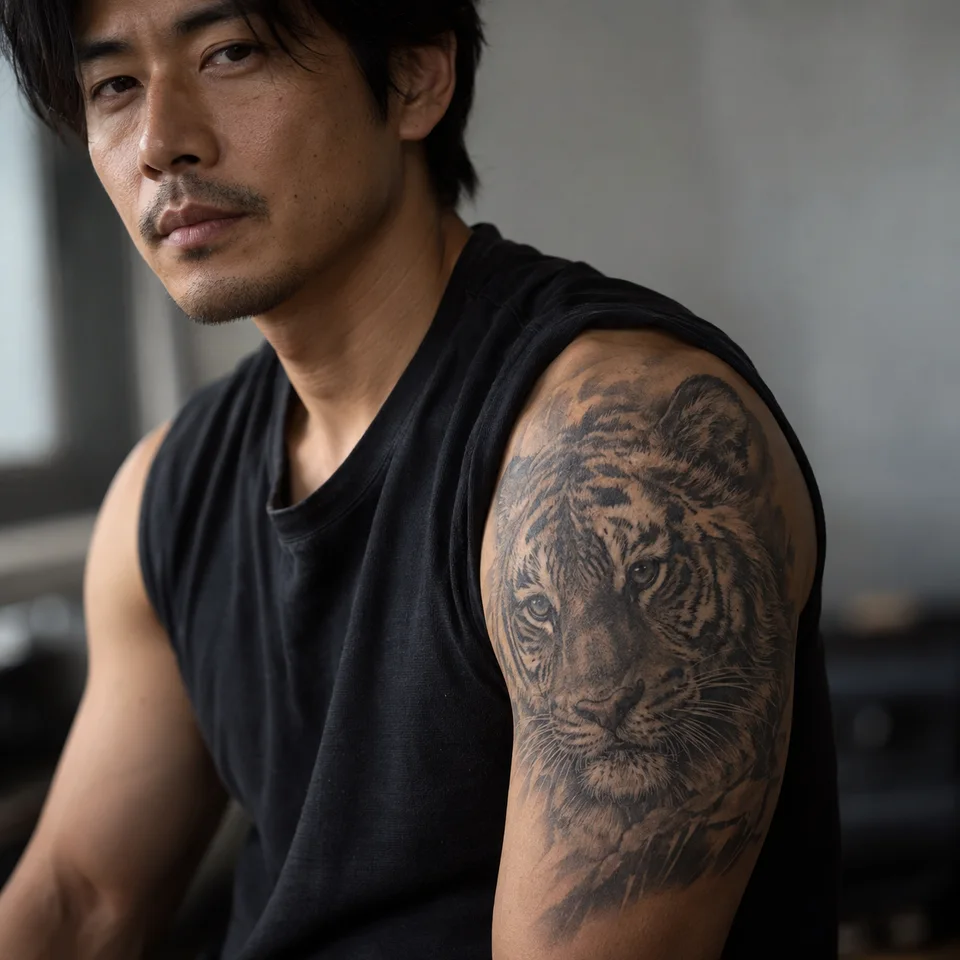
Demo animations generated with our tool — across all styles, to visualize the kind of motion that's possible.
Style characteristics
- Bold black outlines with line weight variation
- Expanded palette: dusty pastels, ochres, deep blues, muted reds
- Structured shading, gradients present but controlled
- Expanded iconography: female portraits, ornate animals, Art Nouveau florals
- Often narrative compositions with decorative elements around the main subject
- Well suited to medium-to-large pieces (forearm, thigh, sleeve)
Tips for animating this style
- A neo-traditional portrait benefits from animated eyes or hair, not the entire face
- Totem animals (fox, deer, wolf) support a subtle head movement well
- Decorative floral elements can sway to create rhythm around the subject
- Keep the black outlines intact: they are the style's signature
- Deep colored backgrounds (midnight blue, forest green) magnify motion on screen
Frequently asked questions
What is the difference between Old School and Neo-Traditional?
Old School sticks to a restricted palette (five colors), uniform outlines, and codified iconic motifs. Neo-Traditional keeps the graphic backbone but enriches it: more colors, more detail, more line weight variation, and an iconography expanded to include female portraits, ornate fauna, and Mucha-style vegetal ornaments.
Is Neo-Traditional a good choice for a large piece?
Yes, it is one of its strongest territories. Its rich palette and readable outlines make it excellent for forearms, thighs, and full sleeves. It keeps impact at a distance while rewarding close observation through its ornamental detail.
Which artists best embody this style today?
The Italian scene is particularly strong with figures like Pietro Sedda or Eckel. In the UK, Emily Rose Murray helped popularize a very botanical feminine neo-traditional. In the US, the style often blends into illustrative work. Following these artists gives a full picture of the current diversity.
Go further
- All tattoo styles: the complete visual guide — see where this style sits among the major families.
- The guide to AI tattoo animation — understand the technology behind these animations.
Ready to animate your own Neo-Traditional tattoo?
Try it with no account (3 variations), then get 1 free generation of 3 images when you sign up, no credit card required.
Create my animation →