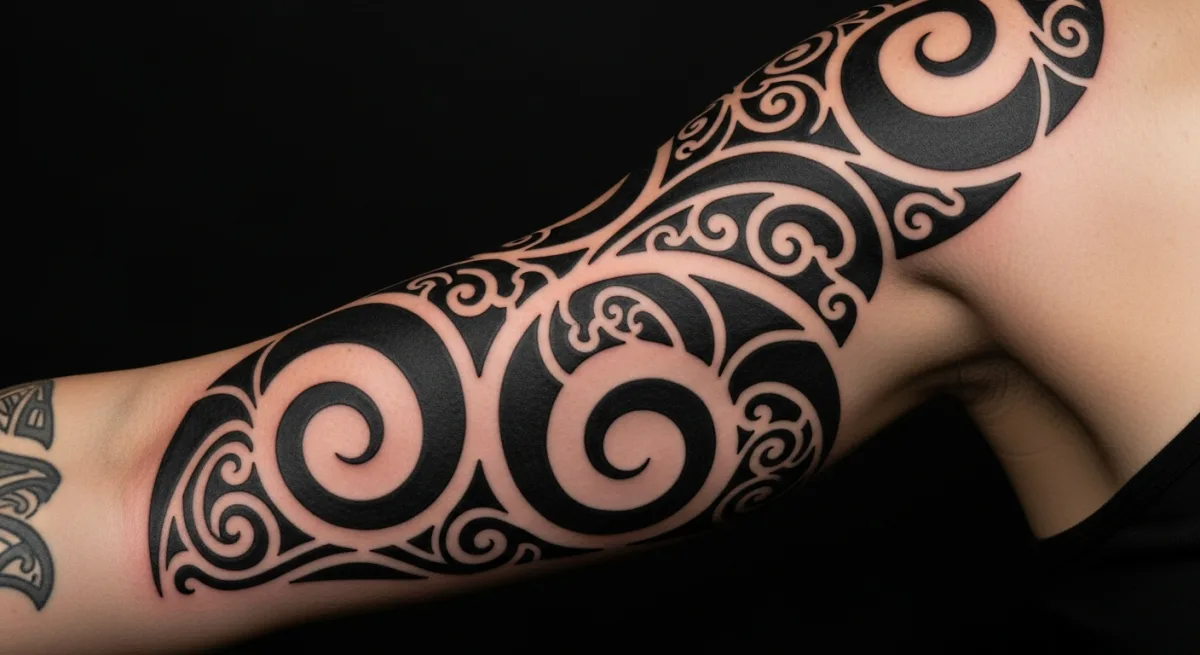
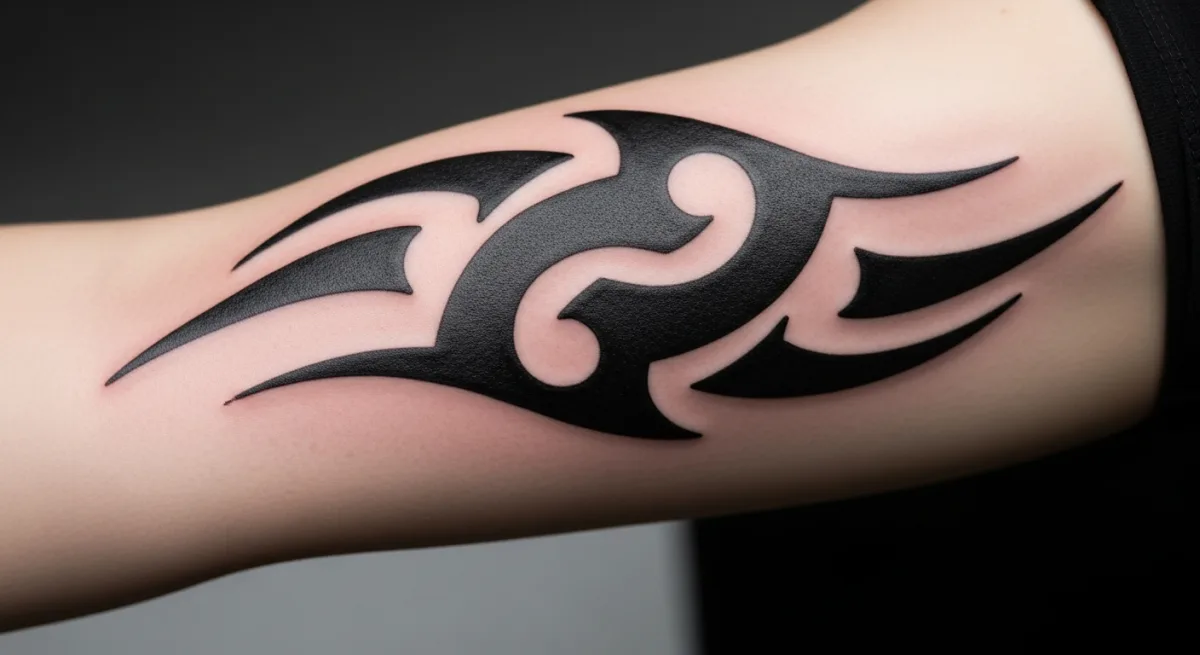
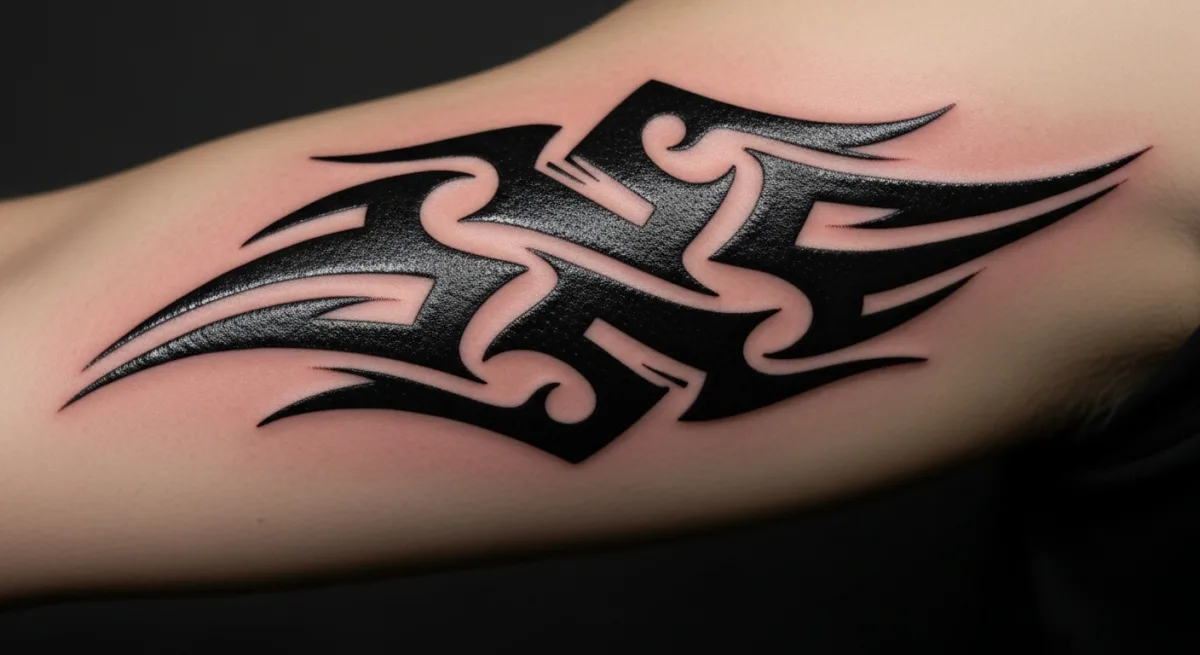
Animated Polynesian tattoo with AI
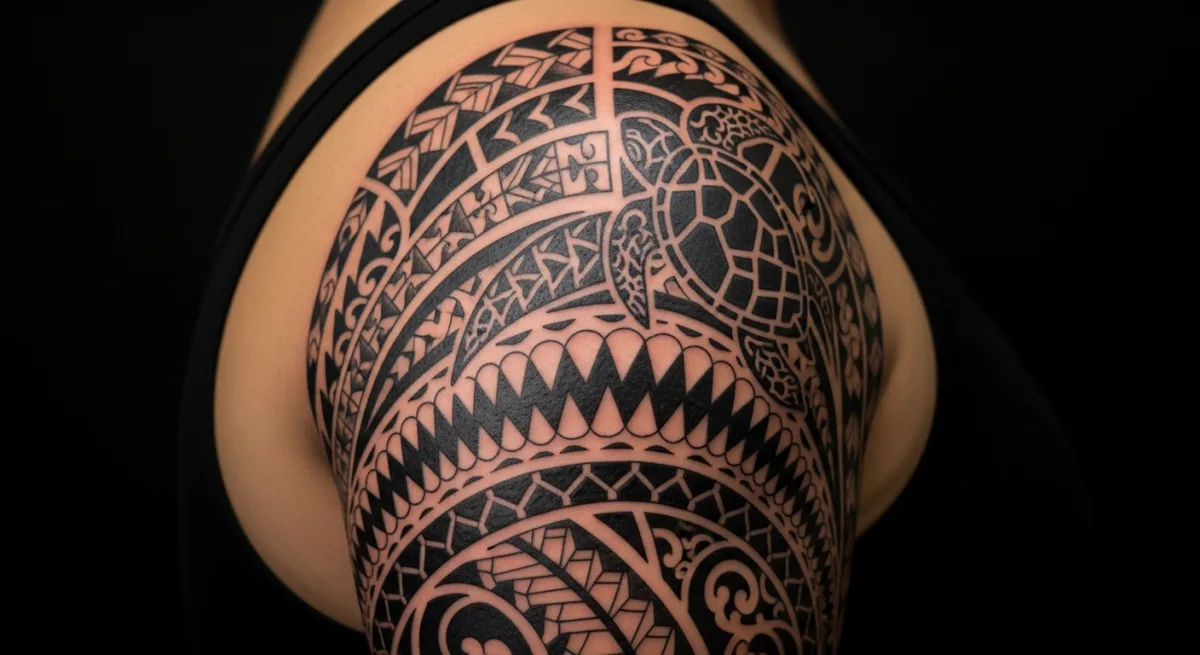
Polynesian tattooing is one of the oldest tattoo traditions in the world, practiced for over two thousand years in Samoa, Tonga, the Marquesas, Hawaii and Aotearoa. Each symbol, each geometric motif carries a precise meaning: protection, family lineage, social status, life stage. It is never purely decorative. The word tatau, root of our word tattoo, is Samoan. Animated by AI, the Polynesian style reveals the hidden rhythm of its repetitive motifs: stylized waves ripple, shark teeth pulse, chevrons seem to beat like an ancestral visual drum.
Examples of AI-generated animations
Demo animations generated with our tool — across all styles, to visualize the kind of motion that's possible.
Style characteristics
- Dense black fills and highly structured repetitive geometry
- Codified symbols: shark teeth (enata), waves, sun, turtle
- Composition that wraps the body: shoulder, thigh, calf, half-sleeve
- Narrative reading: each zone tells part of the personal story
- Oral and family transmission of motifs, never purely aesthetic
- Strong differences between schools: Samoan, Marquesan, Maori, Hawaiian
Tips for animating this style
- Animate the repetitive motifs as a propagating wave: an ancestral ripple effect
- Pulse the shark teeth one by one, like a heartbeat
- A slow rotation around a central point evokes traditional dance
- Respect the pure black contrast: no color or fluo effects
- Avoid cartoon deformations: Polynesian is a sacred style, not a meme
Frequently asked questions
Can I get a Polynesian tattoo without Pacific heritage?
It is a sensitive debate. A large part of the Polynesian community considers traditional family motifs (especially Marquesan and Maori) sacred and reserved. However, some Samoan motifs are openly shared. The best path: consult an artist of Polynesian heritage who will design an inspired but respectful piece, without copying protected family motifs.
What is the difference between Maori and Polynesian in general?
Maori is a specific branch of Polynesian, native to Aotearoa (New Zealand). It is recognizable by its spirals (koru) and facial motifs (ta moko). The Polynesian term covers the whole: Samoa, Tonga, Marquesas, Hawaii, Aotearoa, Tahiti. Each school has its own visual grammar, do not confuse them.
Why animate a Polynesian tattoo?
Because the geometric repetition of the style naturally lends itself to wave and pulse effects. AI animation can reveal the ancestral rhythm embedded in the motifs, without ever betraying their meaning. It is a great way to visually share the style's beauty without violating its sacred aspect, as long as you stay with sober and respectful animations.
Go further
- All tattoo styles: the complete visual guide — see where this style sits among the major families.
- The guide to AI tattoo animation — understand the technology behind these animations.
Ready to animate your own Polynesian tattoo?
Try it with no account (3 variations), then get 1 free generation of 3 images when you sign up, no credit card required.
Create my animation →