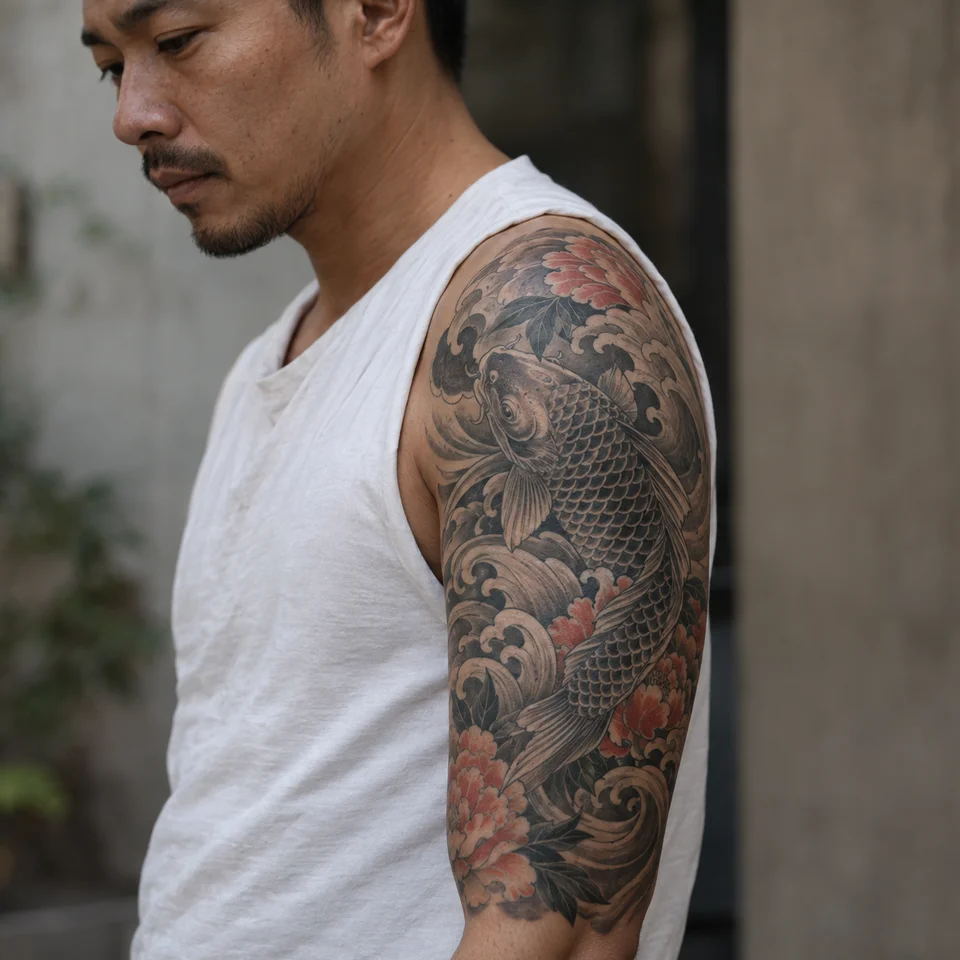
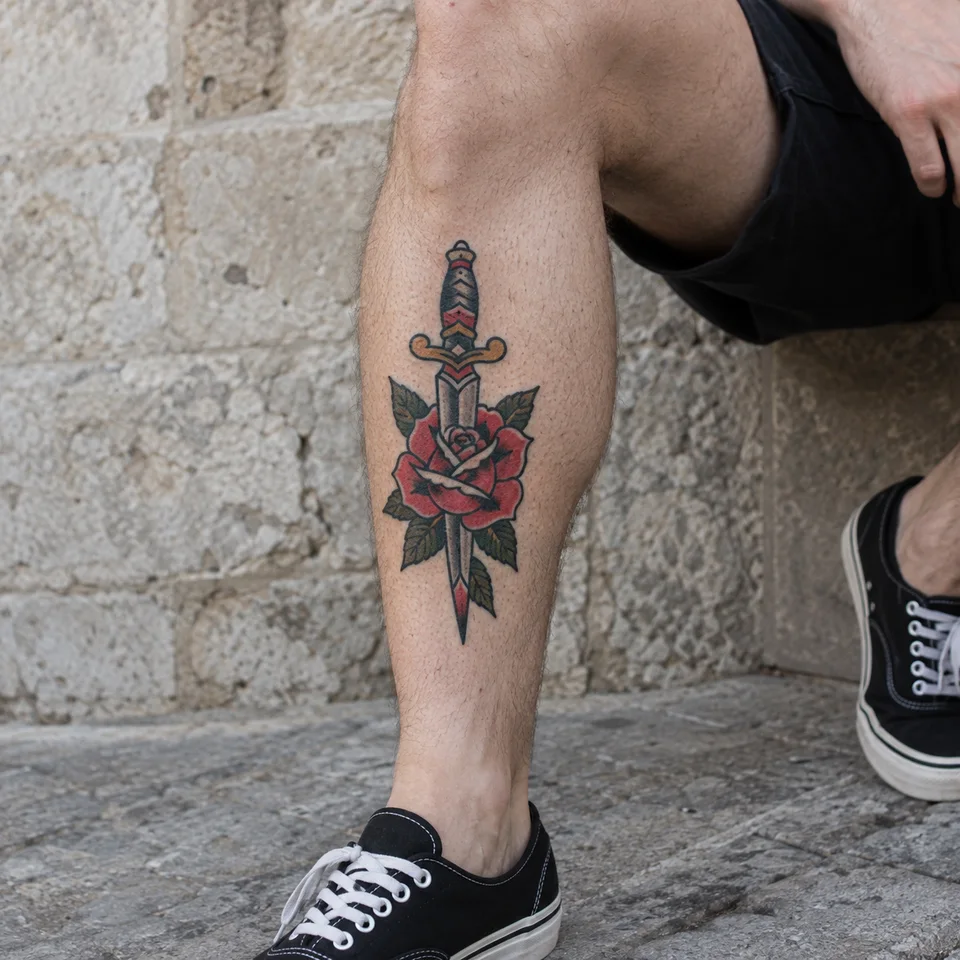
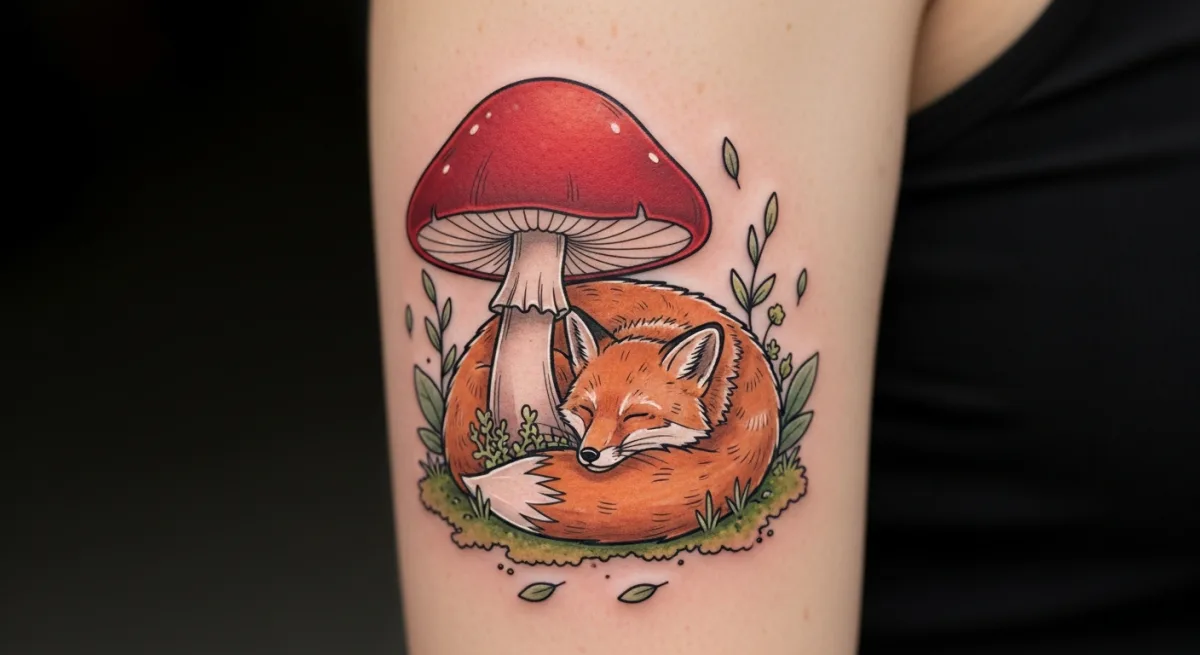
Animated Ukiyo-e tattoo with AI
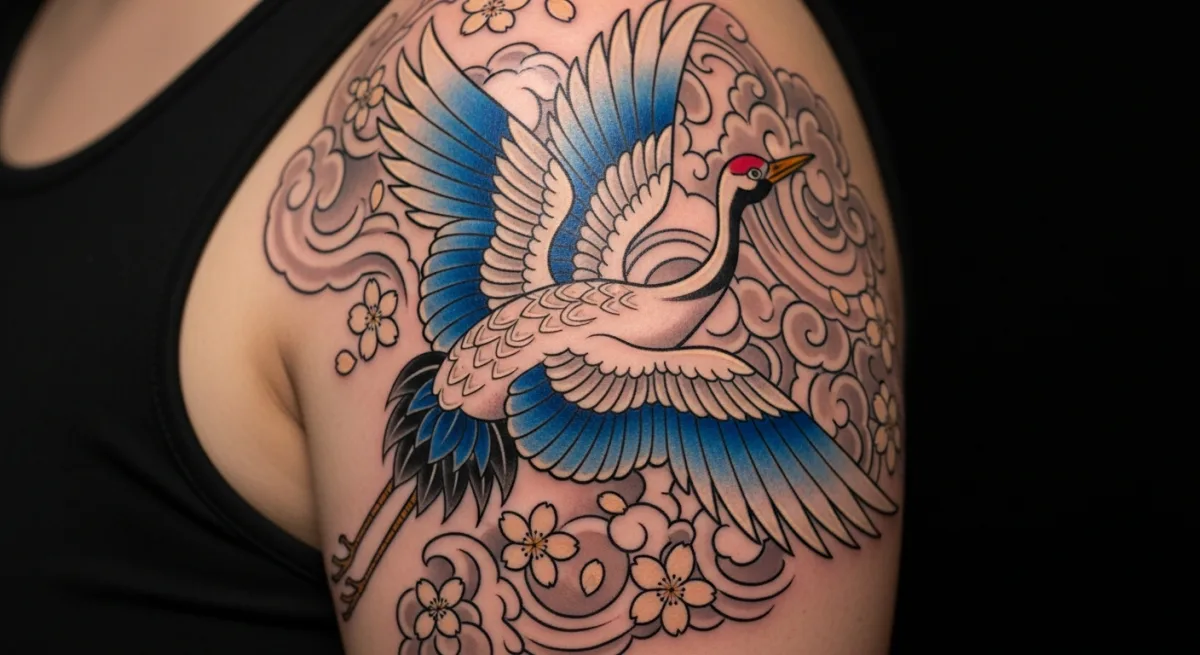
Ukiyo-e transposes onto skin the aesthetics of Japanese woodblock prints from the Edo period (17th-19th centuries), brought to its peak by Hokusai (The Great Wave off Kanagawa) and Hiroshige (Fifty-three Stations of the Tōkaidō). More pictorial than traditional Irezumi, this style favors flat colored areas bounded by thin outlines, landscape or narrative compositions, and a palette inherited from original vegetable pigments: indigo, vermilion, ochre, muted green. Iconic subjects include the foaming wave, Mount Fuji, courtesans, kabuki actors, and snowy landscapes. Animated with AI, Ukiyo-e becomes a true print in motion.
Examples of AI-generated animations
Demo animations generated with our tool — across all styles, to visualize the kind of motion that's possible.
Style characteristics
- Soft flat colors inspired by Edo-era vegetable pigments
- Thin sharp outlines, more delicate than those of Irezumi
- Landscape or narrative compositions with multiple planes
- Signature palette: indigo, vermilion, ochre, muted green, off-white
- Iconic subjects: wave, Fuji, courtesan, kabuki actor, bird
- Pictorial finish reminiscent of prints on washi paper
Tips for animating this style
- For a Hokusai-style wave, animate the foam in spiral while keeping the indigo blue static
- A snowy Mount Fuji benefits from staying still while a cloud drifts in front
- Cherry blossoms should fall slowly, almost weightless
- Keep the washi paper texture in the background: it is Ukiyo-e's visual signature
- Favor long loops (10 to 15 seconds) that honor Edo-era contemplation
Frequently asked questions
What is the difference between Ukiyo-e and traditional Irezumi?
Irezumi is a covering, narrative, and symbolic tattoo style codified in Japan from the 18th century onward. Ukiyo-e is first and foremost a woodblock print school, transposed into tattoo only later. Ukiyo-e favors landscapes, muted colors, and thin outlines; Irezumi favors heroic figures, saturated colors, and thick outlines. Both can coexist within a single piece, but their graphic codes remain distinct.
Do I need to know Hokusai to understand this style?
Hokusai's Great Wave off Kanagawa and Hiroshige's landscapes are essential references. Without necessarily studying them in detail, looking at thirty Edo prints helps grasp the visual vocabulary: flattened framing, perspectives without Western vanishing points, limited but subtle palette. That gaze is what distinguishes a Ukiyo-e tattoo from a simple Japanese tattoo.
What minimum size does Ukiyo-e require to do it justice?
Plan at least twenty centimeters along the largest dimension. The style relies on compositions with multiple planes (foreground, distant mountain, sky), which requires enough surface for each plane to stay readable. Below that, the result loses its pictorial depth and reduces to a simple decorative motif without the richness specific to Edo prints.
Go further
- All tattoo styles: the complete visual guide — see where this style sits among the major families.
- The guide to AI tattoo animation — understand the technology behind these animations.
Ready to animate your own Ukiyo-e tattoo?
Try it with no account (3 variations), then get 1 free generation of 3 images when you sign up, no credit card required.
Create my animation →