Animated Watercolor tattoo with AI
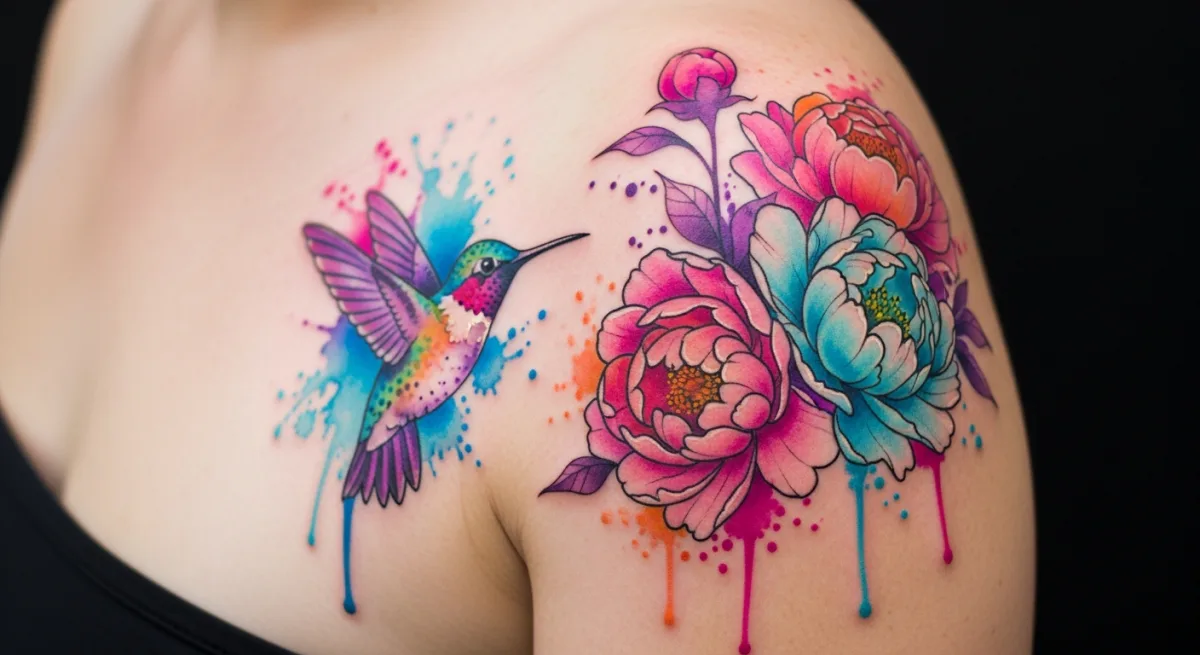
The watercolor tattoo mimics painting on wet paper: splashes of pigment, translucent washes, controlled drips that intentionally spill beyond a barely sketched outline. It emerged in the 2010s, driven by artists like Ondrash, and disrupted tattoo conventions by dropping the black outline in favor of an almost childlike pictorial freedom. It demands extreme technical skill to age well. Once animated by AI, watercolor reveals its true nature: the splashes seem to bleed in real time, as if the ink had just touched the skin.
Examples of AI-generated animations
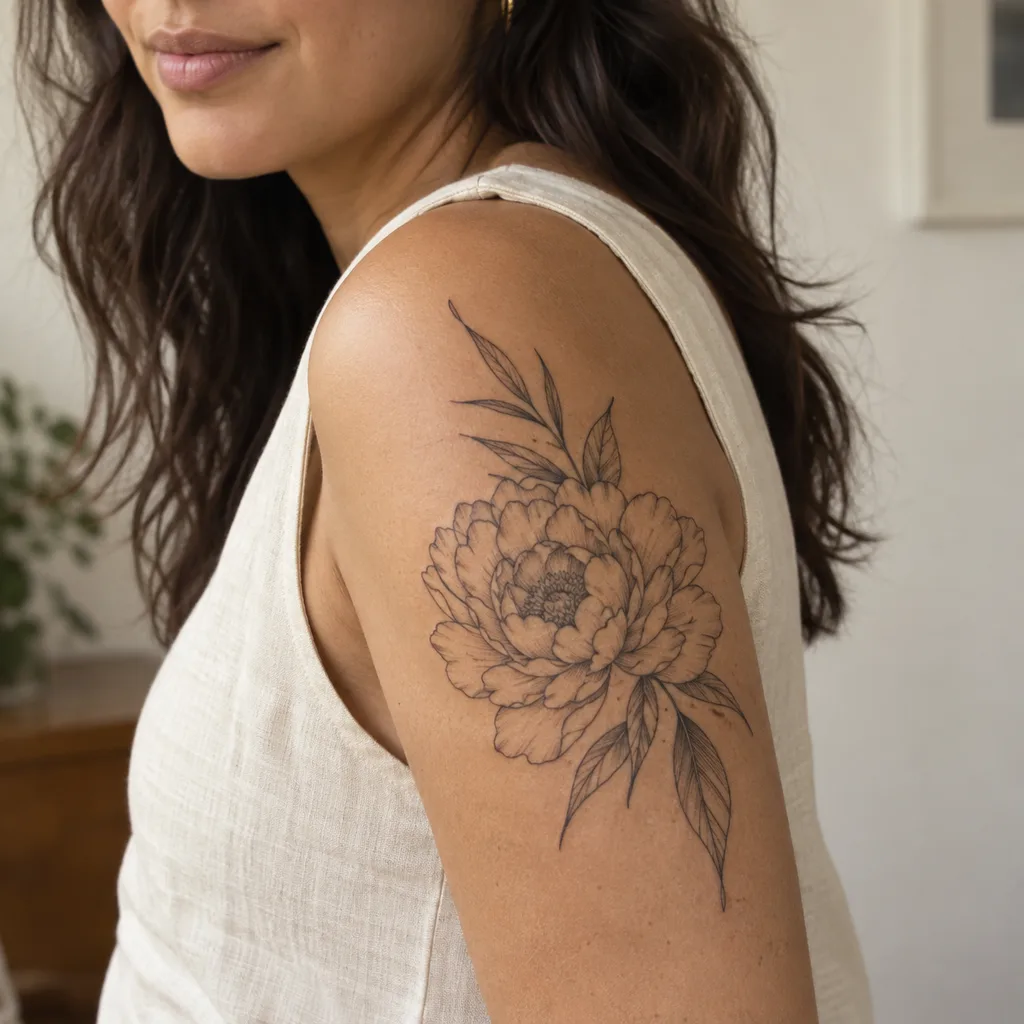
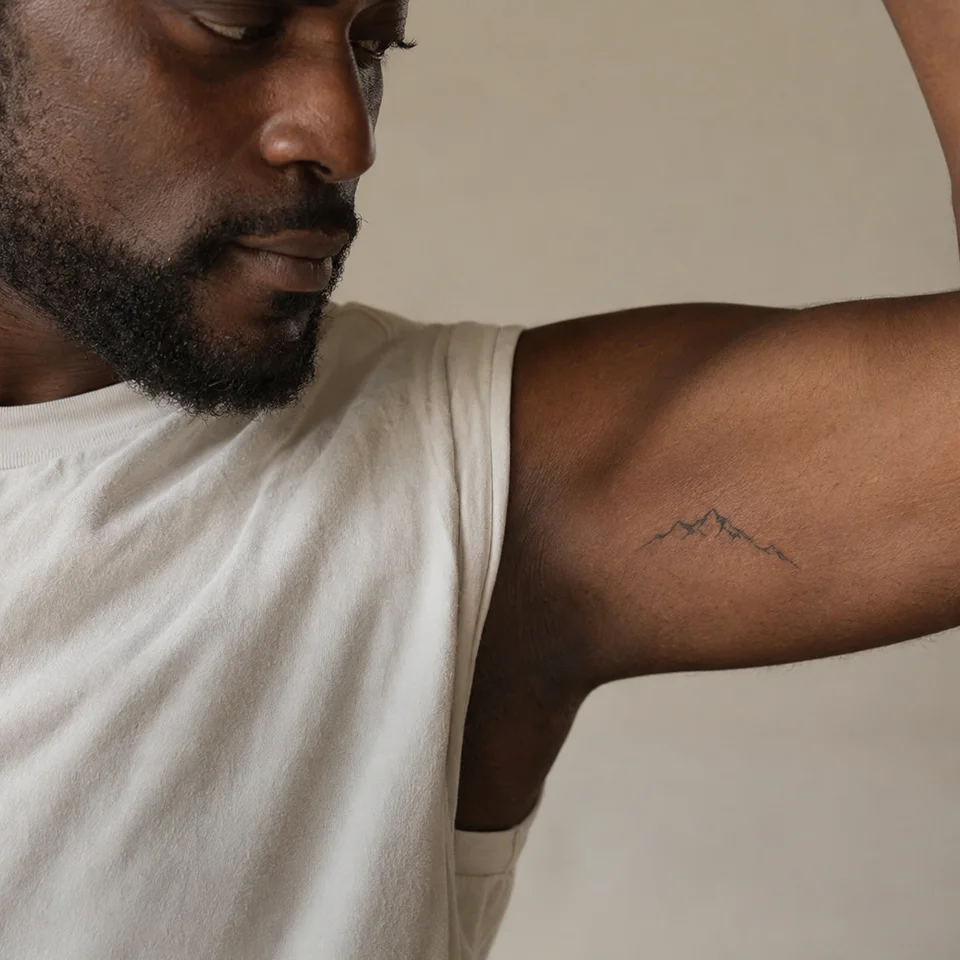
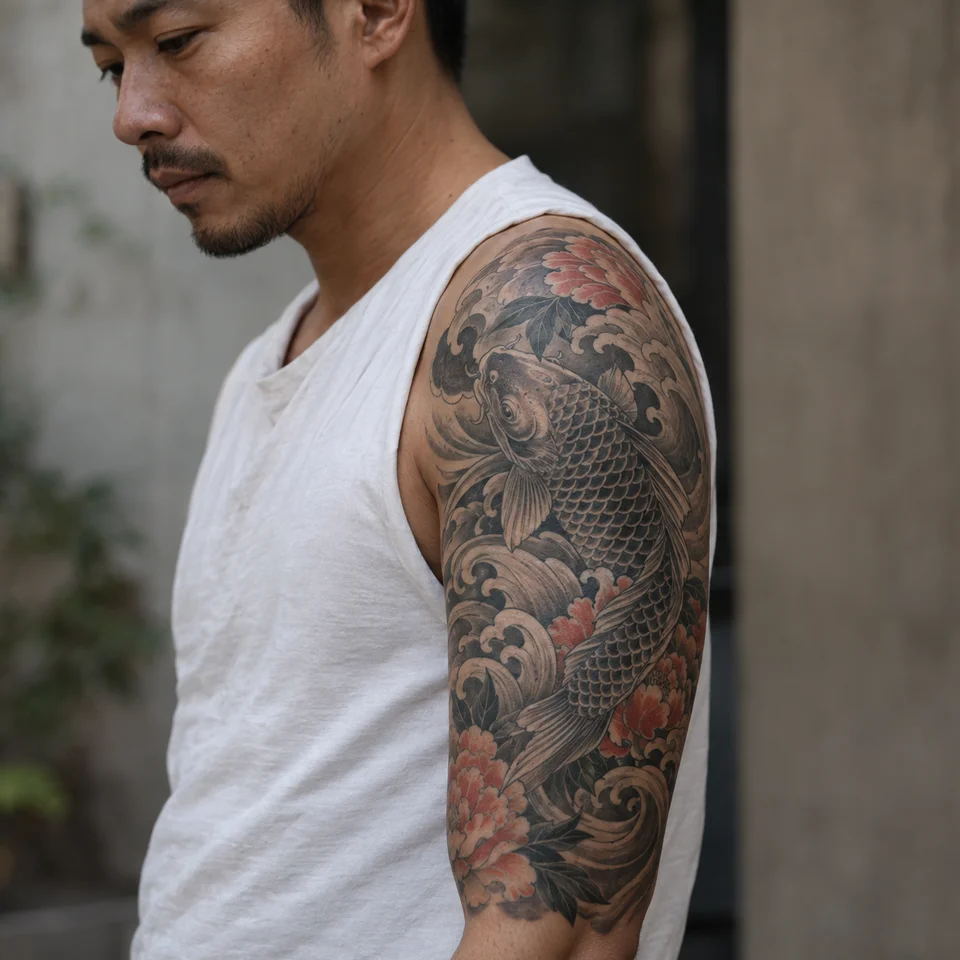
Demo animations generated with our tool — across all styles, to visualize the kind of motion that's possible.
Style characteristics
- Little to no structural black outline
- Drips, splashes, and translucent color washes
- Vivid, saturated palette often inspired by modern painting
- Mix of techniques: washed flats, projections, wet gradients
- Often asymmetrical composition with empty negative zones
- Delicate aging: requires more frequent touch-ups
Tips for animating this style
- Let pigments slowly drip downward, like real watercolor drying on paper
- A subtle radial diffusion of the patches mimics fresh ink on damp skin
- Avoid rotational motion: it contradicts the gravitational logic of watercolor
- Animate the blurred edges rather than the center of the motif, which should stay stable
- A light, neutral background amplifies the transparency of the colors
Frequently asked questions
Does watercolor tattoo really age worse than other styles?
Yes, and that is its main weakness. Without a black outline to structure the design, translucent pigments disperse faster in the dermis over time. Expect a touch-up every 5 to 7 years to maintain vibrancy. Specialized artists work around this by adding a thin transparent outline or using higher-pigmentation inks.
Which motifs are most iconic in the watercolor style?
Flowers (peonies, poppies, cherry blossoms) remain the most requested because their petals naturally lend themselves to color washes. Then come flying birds, stylized animal portraits (wolf, fox, horse), and purely abstract compositions made of splashes and drips with no identifiable figure.
Can you combine watercolor with another style in one piece?
Yes, this is actually a very common approach. Many artists combine a central motif in fine line or blackwork with a watercolor background that brings color and texture. This mix offers the best of both worlds: the durability of a sharp outline and the visual freedom of pigment splashes.
Go further
- All tattoo styles: the complete visual guide — see where this style sits among the major families.
- The guide to AI tattoo animation — understand the technology behind these animations.
Ready to animate your own Watercolor tattoo?
Try it with no account (3 variations), then get 1 free generation of 3 images when you sign up, no credit card required.
Create my animation →