Animated Horror tattoo with AI
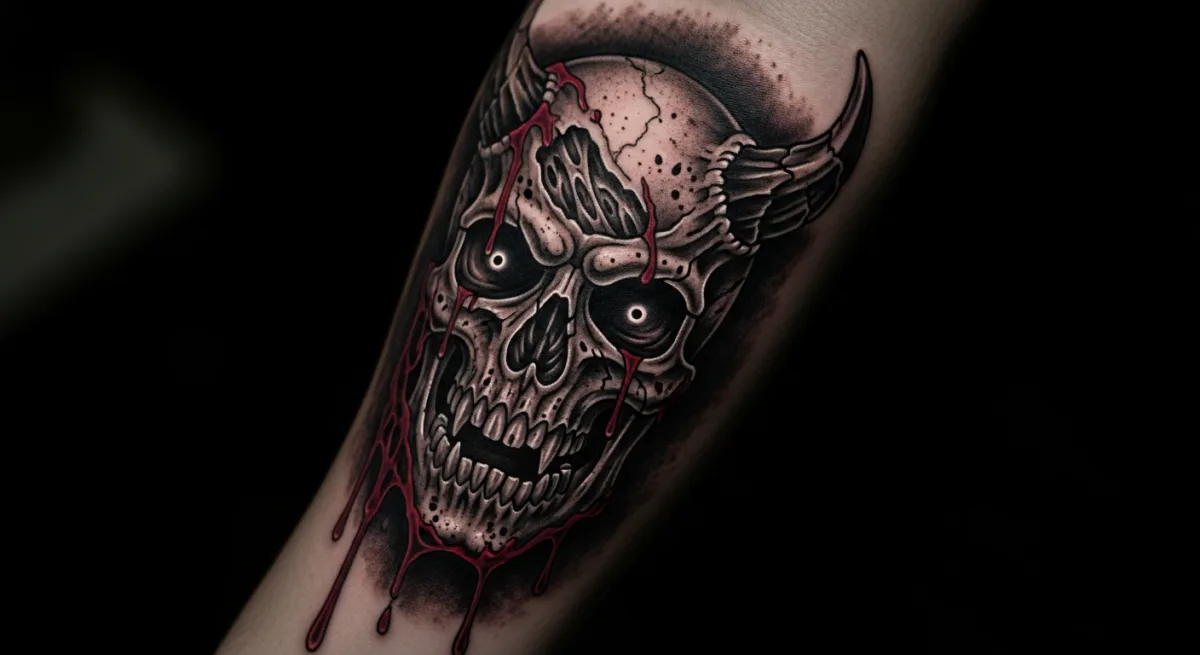
The horror style draws on the imagery of horror cinema, gothic fiction and macabre art: Pennywise, Freddy, Jason, Lovecraftian creatures, demons, possessed figures, zombies. It is a sub-genre of realistic tattooing that openly embraces its goal to shock and fascinate. Pieces play on the grotesque, torn flesh, haunted gazes, blood and deep shadows. Animated with AI, the style becomes especially striking: a widening grin, an eye snapping open, a face that distorts. Horror is arguably the style where animation delivers the most raw emotional value.
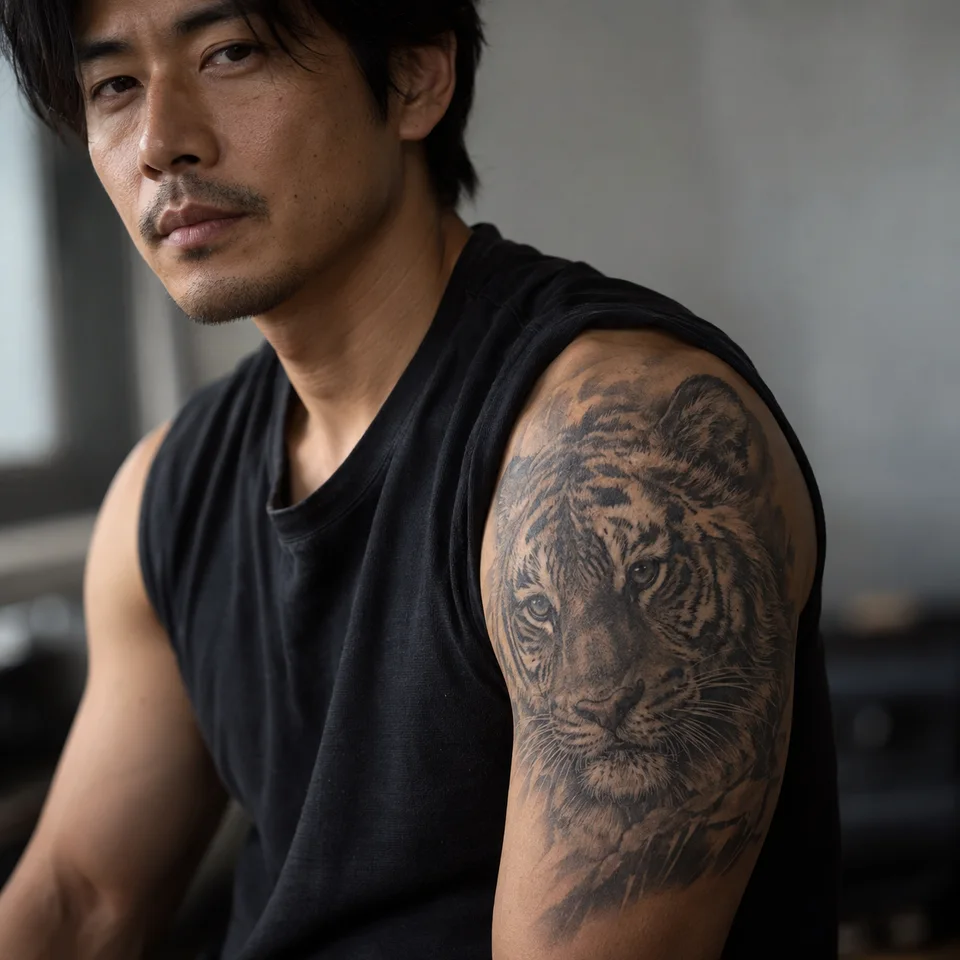
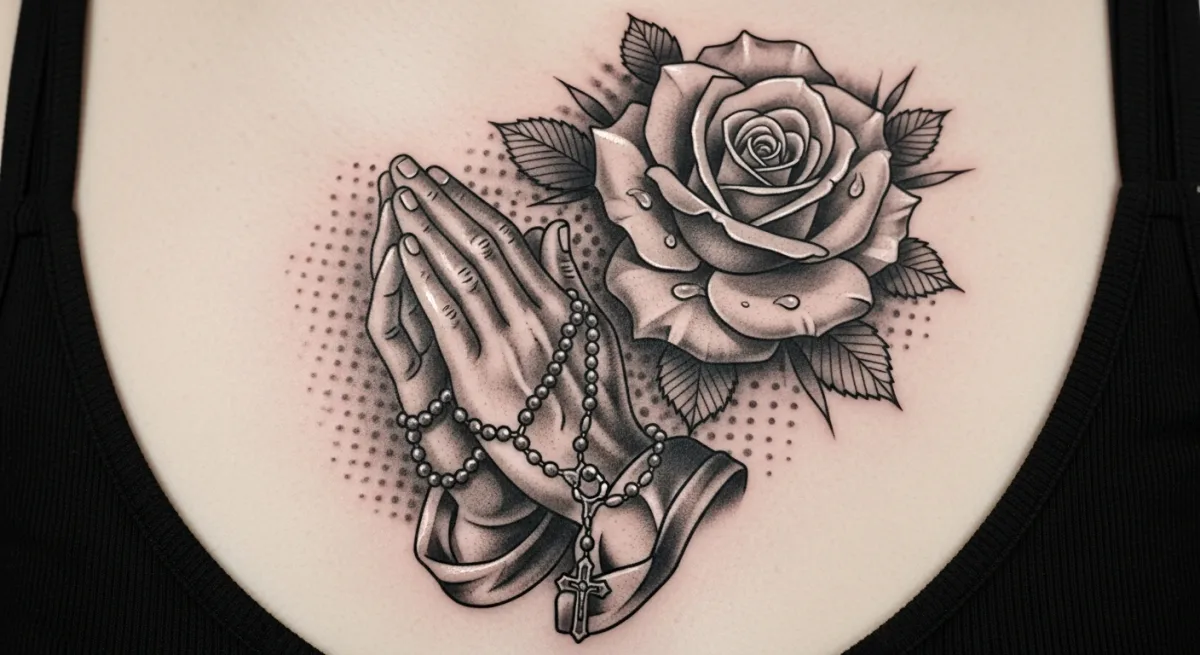
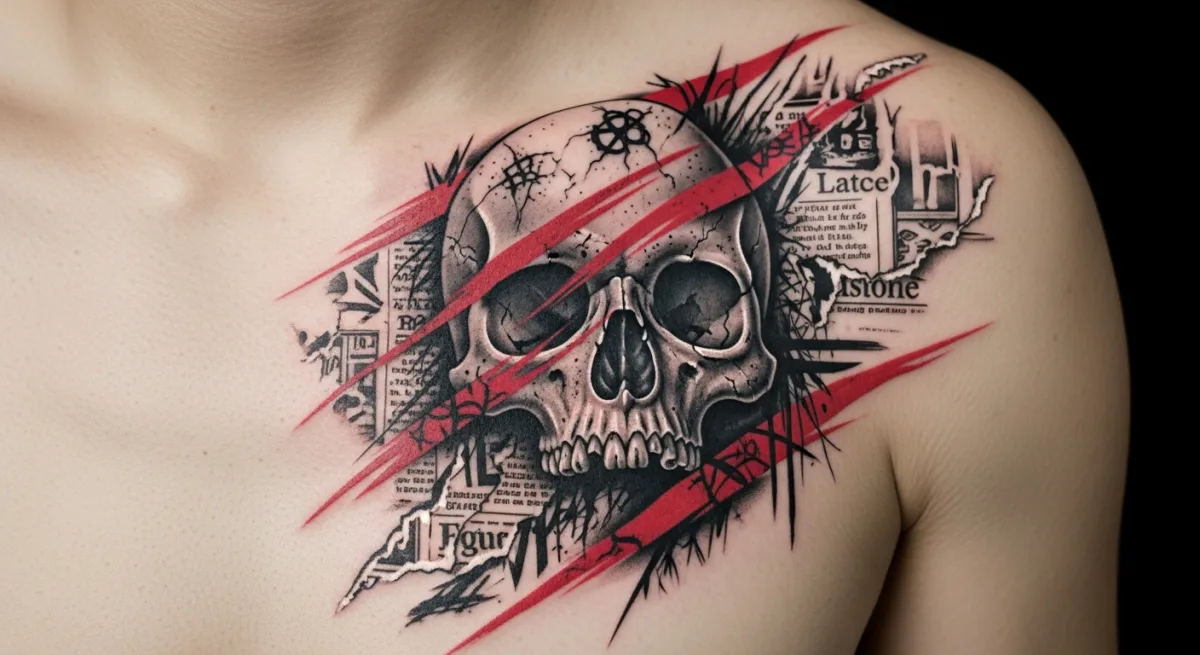
Examples of AI-generated animations
Demo animations generated with our tool — across all styles, to visualize the kind of motion that's possible.
Style characteristics
- Direct inspiration from horror cinema and gothic literature
- Pushed realism, often in black-and-grey for classic film feel
- Composition centered on a face or scene with strong emotional impact
- Strategic use of red for blood, contrasting with a B&W background
- Maximum shadow depth, with almost no transition to skin
- Medium or large scale so details remain readable
Tips for animating this style
- Subtle motion is more terrifying than spectacular motion
- A smile that widens gradually chills more than a quick attack
- Move the eyes independently of the rest of the face for a possessed effect
- A slow appearance of trickling blood works better than a violent spurt
- Add sound design in post: silence reinforces the tension
Frequently asked questions
Is horror tattooing considered a real specialty?
Yes, it has become a recognised specialty since the 2000s, with dedicated conventions like the Inkmaster Horror Edition or guest spots by Paul Booth. Horror specialists mainly work in black-and-grey realism, often at large scale, and develop a particular expertise for flesh and haunted gazes. Expect a minimum of 3 to 5 years of experience from a serious horror artist.
Is horror style discriminating professionally or socially?
Like any visible tattoo, horror can cause issues in conservative professional contexts (banking, medical, legal). Its explicitly disturbing nature makes it less socially acceptable than Old School or Japanese. To minimise the impact, place the piece on an easily covered area (upper arm, back, thigh) rather than on forearms or neck.
What are the absolute classics of horror tattooing?
Pennywise (It), Freddy Krueger, Michael Myers, Jason Voorhees, Leatherface form the American slasher pantheon. On the gothic side: Nosferatu, the demon of The Exorcist, Sadako. For cosmic horror, Cthulhu and Lovecraftian creatures remain timeless. The most in-demand artists combine these icons with original work to avoid pure fan-art.
Go further
- All tattoo styles: the complete visual guide — see where this style sits among the major families.
- The guide to AI tattoo animation — understand the technology behind these animations.
Ready to animate your own Horror tattoo?
Try it with no account (3 variations), then get 1 free generation of 3 images when you sign up, no credit card required.
Create my animation →