THE INSPIRATION NOTEBOOK
Cat tattoo ideas: outlines, portraits and original characters
A cat can become a quiet outline, a recognisable portrait or an imaginary character. These three references serve different projects. To represent your companion, start with your own photographs rather than a generic image.
Compare the visual references ↓Drawings and placement references
All visuals below are AI-generated creative references. Skin images are simulations, not photographs of completed or healed tattoos.
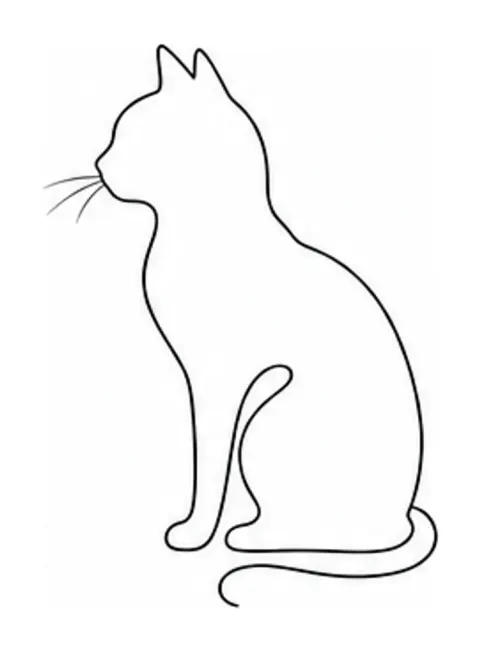
A sitting cat seen in profile, continuous outline with a few whiskers, very small, for the ankle
Personalise this reference →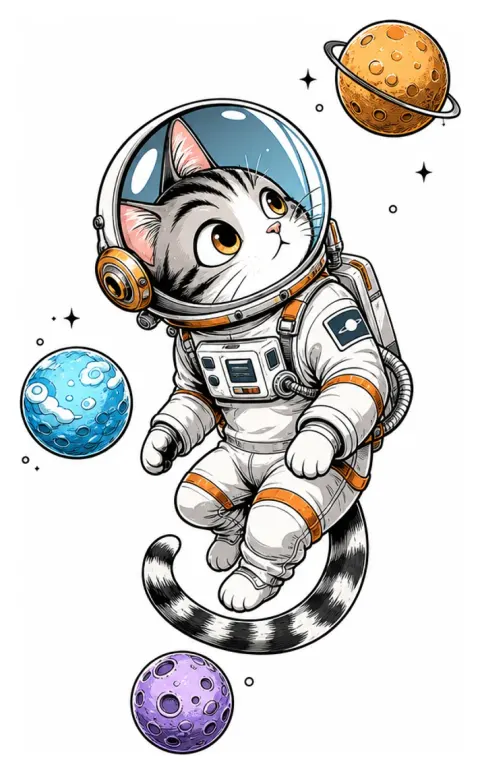
An original astronaut cat floating among three little planets, round helmet and curious expression, vertical composition
Personalise this reference →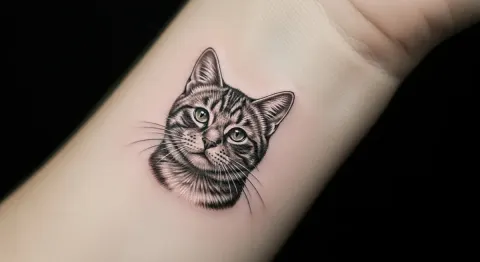
Small realistic cat portrait
Three directions for your composition
A line-drawn profile
Ears, back and tail carry most of the silhouette. A few whiskers may be enough; keep a pose you recognise.
A personal portrait
Eyes, muzzle and coat markings need clear references. Avoid fixing a tiny size before an artist has assessed these details.
An astronaut cat
The helmet and small planets build an original scene. Choose an expression and limit accessories to keep the cat as the main character.
Choose the placement and scale
The ankle can suit a compact outline to discuss with an artist. The arm offers more space for a portrait or vertical scene. Compare each at actual size: an outline and shaded face cannot be reduced in the same way.
Compare placement on a 3D mannequin. A preview helps you discuss proportions; your artist adapts the final design to your skin.
Choose a visual language
Compare the same subject across these styles, then look for healed work in the artist’s portfolio.
A starting point for your brief
My cat sitting in profile, with its curled tail and distinctive ear. A simple outline without a name or scenery. Use my photographs for recognisable details.
Change the subject, size and details to fit your project. Keep only the elements that matter to you.
Prepare my own design →Questions before choosing
Can AI recover my cat’s likeness from a generic drawing?
A generic drawing does not contain your cat’s features. Bring your photographs and have the portrait details checked.
Is this collection only for memorials?
No. It compares shapes for a living companion, a memory or an imaginary character. The pet memorial guide focuses more specifically on remembrance.