Tattoos and skin considerations: planning your design
Scars, stretch marks, skin after surgery and differences in pigmentation each raise their own questions. Start with the precautions, explore visual ideas, then choose the guide that fits your situation.
Choose my guide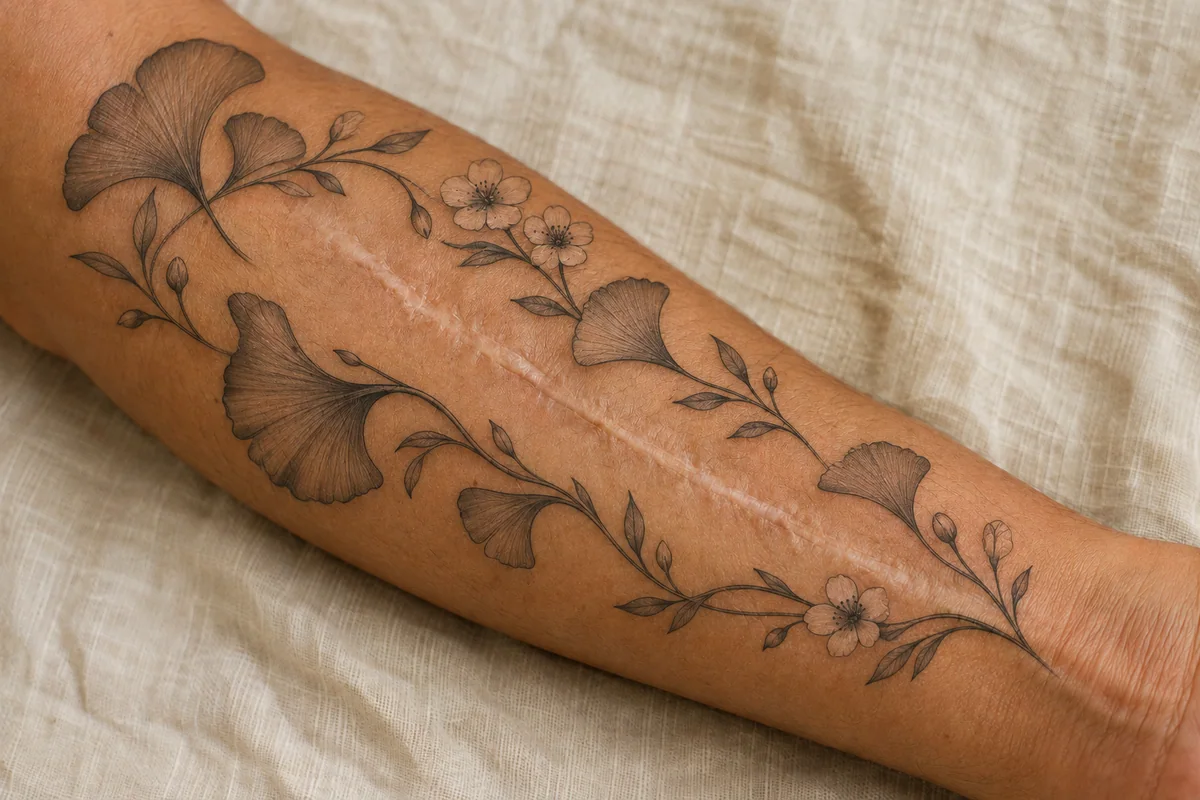
Different skin stories, different approaches
This guide brings together marks, changes in texture or pigmentation and the effects of surgery that deserve particular attention before a tattoo. It is not a diagnosis or a list of flaws to fix. You may want to cover a mark, incorporate it, work around it or leave it as it is.
Keep two questions separate: what your skin can receive, which needs professional advice, and what you would like to draw. A compelling image can express an idea; it cannot establish that tattooing is safe for your skin.
Which guide fits your situation?
AI SIMULATIONTattoos over scars
Cover, incorporate or work around: separate composition possibilities from the precautions each scar needs.
Open the guide →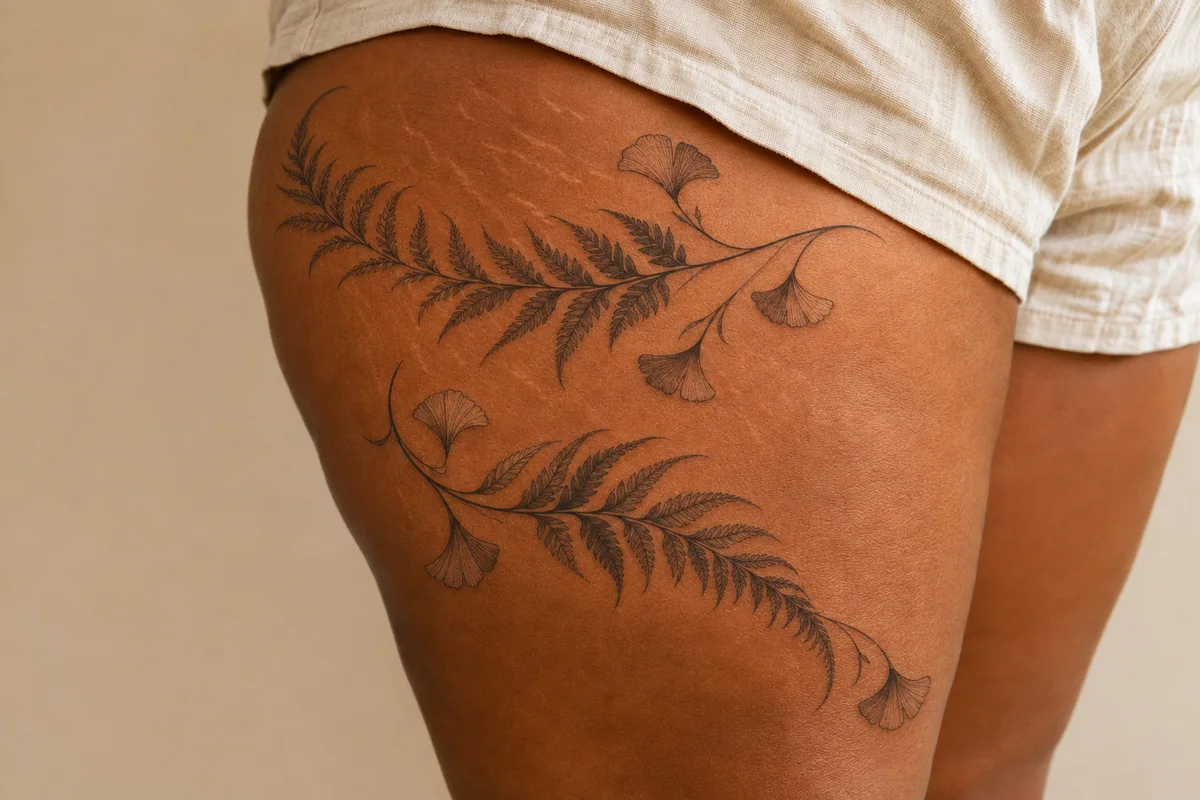 AI SIMULATION
Tattoos over stretch marks
Understand newer and older marks, the limits of a design and how skin-tone camouflage differs.
Open the guide → AI ILLUSTRATION
Tattoos after mastectomy
Distinguish decorative tattooing from micropigmentation, prepare a medical discussion and find a specialist.
Open the guide →The body views and drawings are AI-generated. The tattoos shown are composition simulations, not real results or evidence of coverage.
Other skin considerations also need advice
The same approach will not suit every skin. Colour, texture, inflammation and medical follow-up involve more than a design choice. These pointers help you prepare a discussion, without replacing a consultation.
Pigmentation and vitiligo
A difference in colour is not a scar. Some conditions, including vitiligo, can reactivate in a tattooed area. Before trying to blend in or incorporate a patch, discuss whether a tattoo is appropriate with a dermatologist.
Sources: Dermato-INFO — Les tatouages
Eczema, psoriasis and acne: different situations
An old mark and currently irritated skin raise different questions. Tattooing can trigger eczema or psoriasis. Have spots, patches or itching assessed before planning your tattoo; do not try to cover an active skin lesion.
Sources: American Academy of Dermatology — Tattoos: skin reactionsDermato-INFO — Les tatouages
Moles and areas that need monitoring
A design should keep moles visible and leave space around them. Seek advice about a changing spot or an area under medical follow-up before deciding. An appropriate composition may be one that leaves an area uninked.
Sources: Dermato-INFO — Les tatouages
Explore designs at your own pace
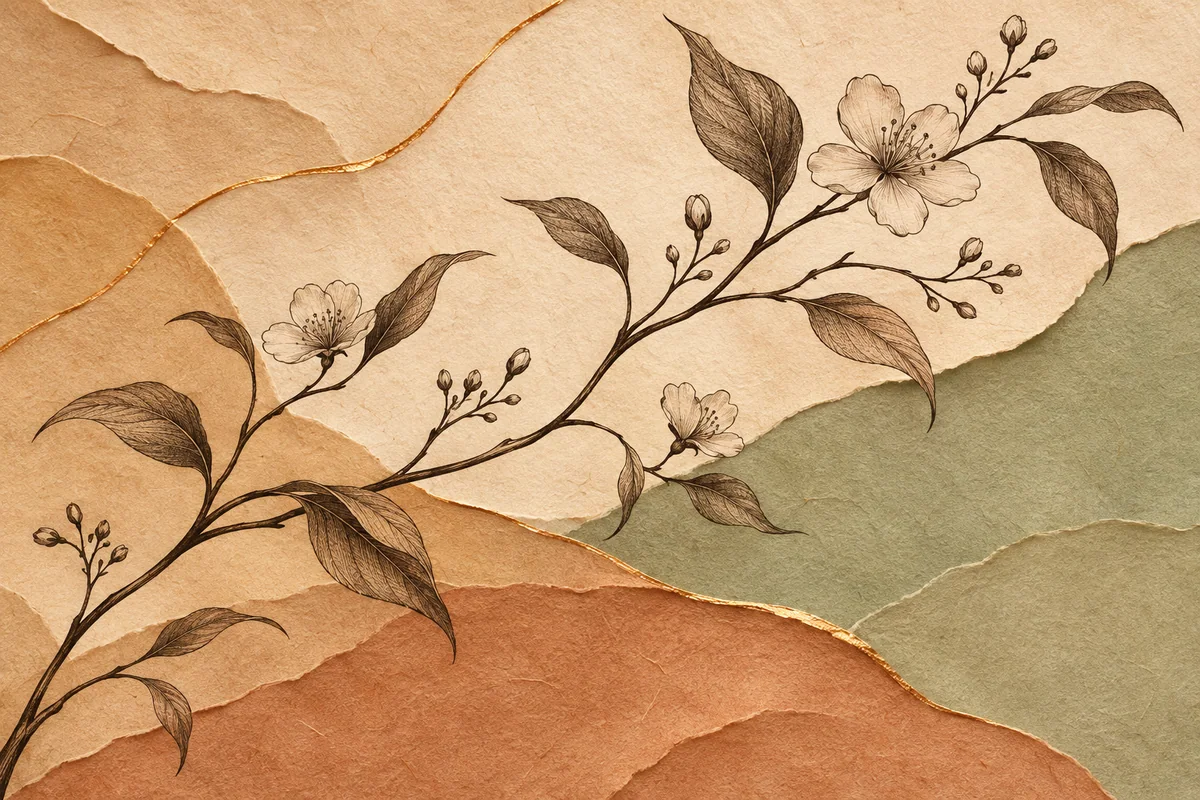
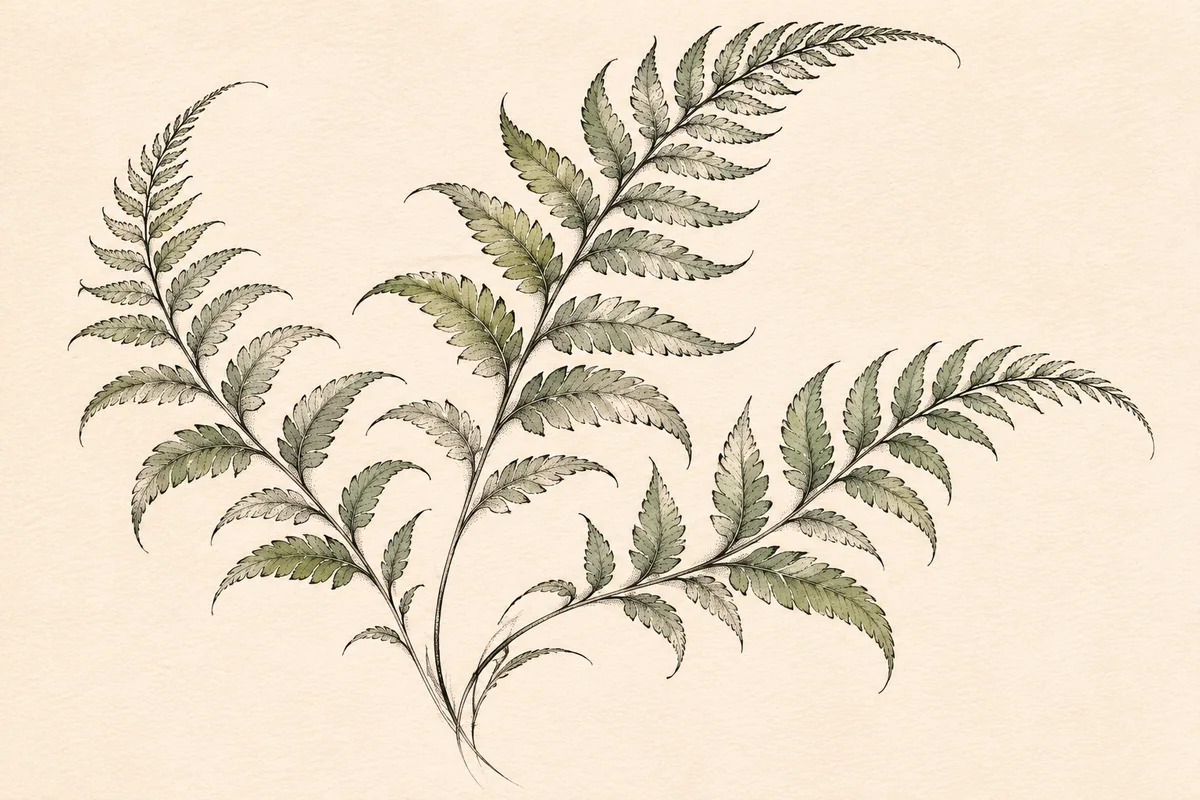
Open spaces, lines that follow a direction and asymmetrical compositions are artistic choices to discuss. These drawings on paper are not ready-to-tattoo cover-up templates.


Three steps to prepare your project
Start with your skin
Wait for complete healing and seek medical advice if in doubt. After surgery or treatment, discuss timing with the team caring for you.
Choose an experienced professional
Ask for healed work on comparable situations, the limits of your project and areas to leave clear. A gallery of simulations cannot replace that portfolio.
Bring an adaptable idea
Prepare a motif, a mood and several possible sizes. Leave room to change the composition or placement, or to postpone the tattoo.
Sources: NHS — ScarsBreast Cancer Now — Decorative tattoos after breast cancer surgery
Start with a design that feels like you
The generator creates decorative artwork from your description. You can refine it, then discuss it with your tattoo artist.
Create my tattoo idea