Before choosing a white ink tattoo, distinguish white pigment, lighting effects in a photograph and skin left uninked. These may look similar on a screen but represent different projects. A simulation cannot predict your result.
Identify what the reference shows
Bright or edited images can emphasise contrast that may look different in daily life. Ask whether the photograph shows fresh or healed work and how it was taken. Avoid choosing from one heavily enlarged picture.
Discuss your skin and the drawing
Show the area, intended detail and actual size to an artist experienced in this work. Ask what they would adapt and which comparable results they can show. This guide guarantees neither discretion, future colour nor freedom from touch-ups.
Compare with uninked spaces
If you mainly enjoy a light-looking motif, also ask for a version using few lines and untouched skin. That is not a white ink tattoo, but it may address the aesthetic intention. Comparing them separates pigment choice from composition.
Colour does not remove risk
French health insurance guidance describes risks of permanent tattoos, including reactions to inks. White pigment is therefore no basis for assuming a tattoo is risk-free. Seek medical advice before the session for personal skin concerns or previous reactions.
Reference : Assurance maladie — Risques du tatouage permanent.
Write down what to discuss
List visibility expectations, healed photographs to examine and questions about aftercare and follow-up. You may choose a different contrast after the conversation. The aim is a project whose limitations you understand, not reproducing a dramatic image.
Related guides and examples
Organise references for your artist
Questions before the appointment
Will a white ink tattoo be invisible at work?
That cannot be guaranteed. Visibility depends on the result, lighting and your skin; placing a tattoo under clothing addresses a different question.
Is a white design in a simulation enough?
No. It illustrates a visual intention without predicting the healed result. Ask the artist for relevant references.
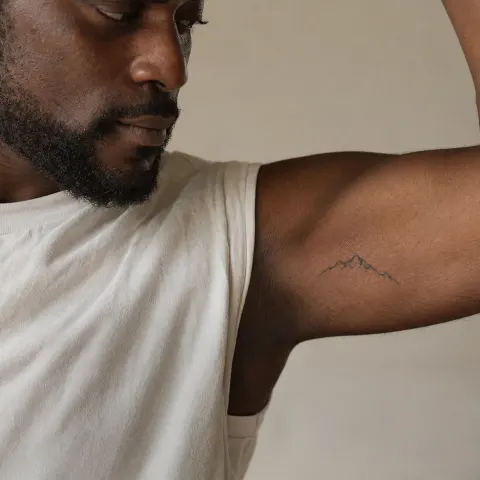
Minimalist
Few lines and a clear, simple outline.
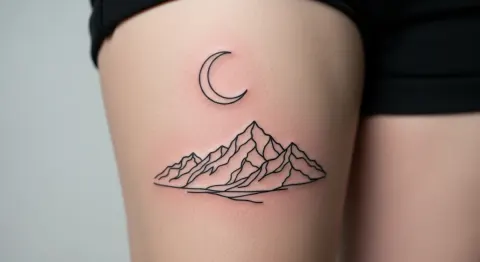
Linework
Linework builds the subject, texture and movement.